Translate

Showing posts with label Ramalina-farinacea. Show all posts

Thursday, August 15, 2024

Lichens at Eridge Rocks 14.04.24

This was a very brief visit to Eridge Rocks and represents a very small sample of a much more diverse and abundant lichen flora at Eridge Rocks

I have included English names in this post; these names are rarely used as  they are not vernacular names that have grown up through popular usage but names that have been made up in an attempt to popularize lichen

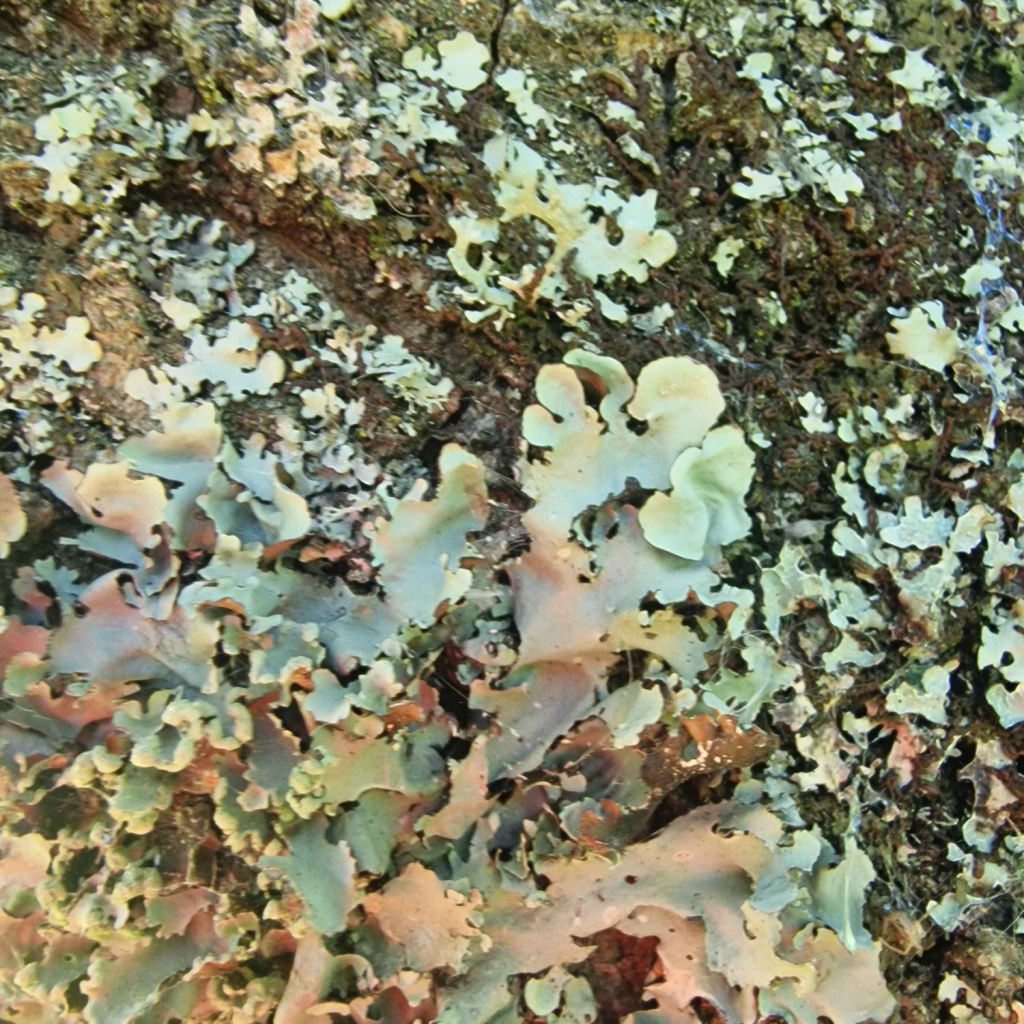
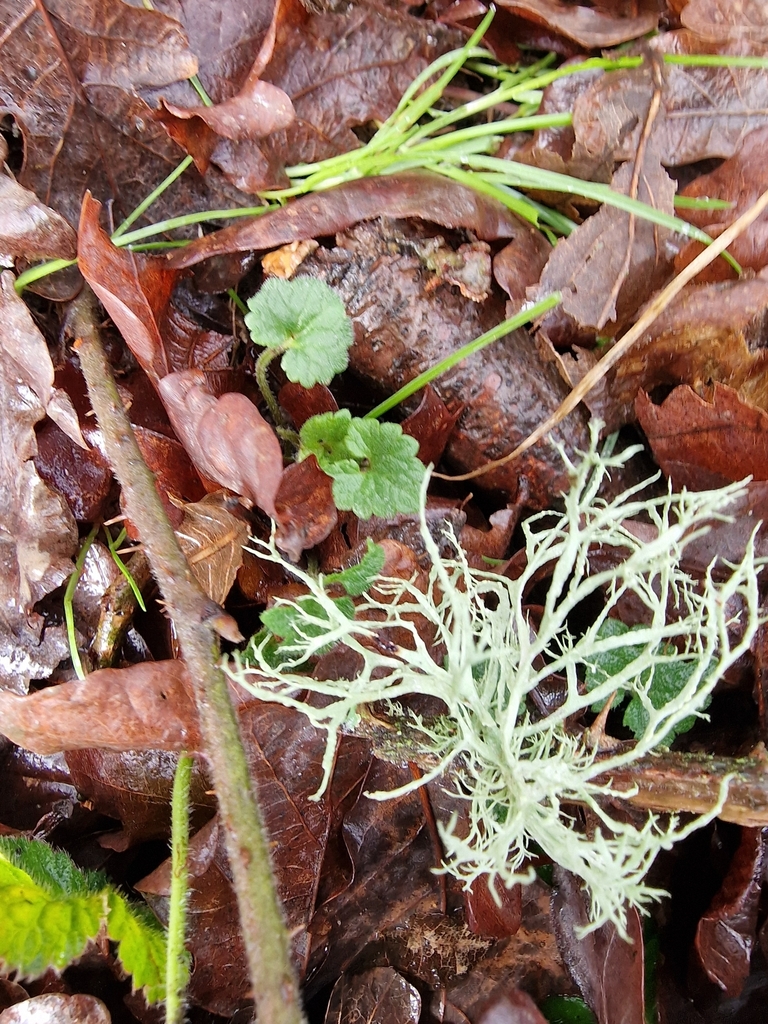
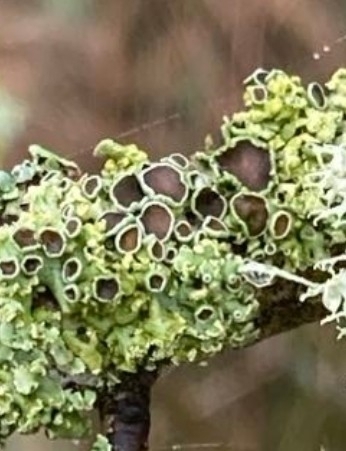
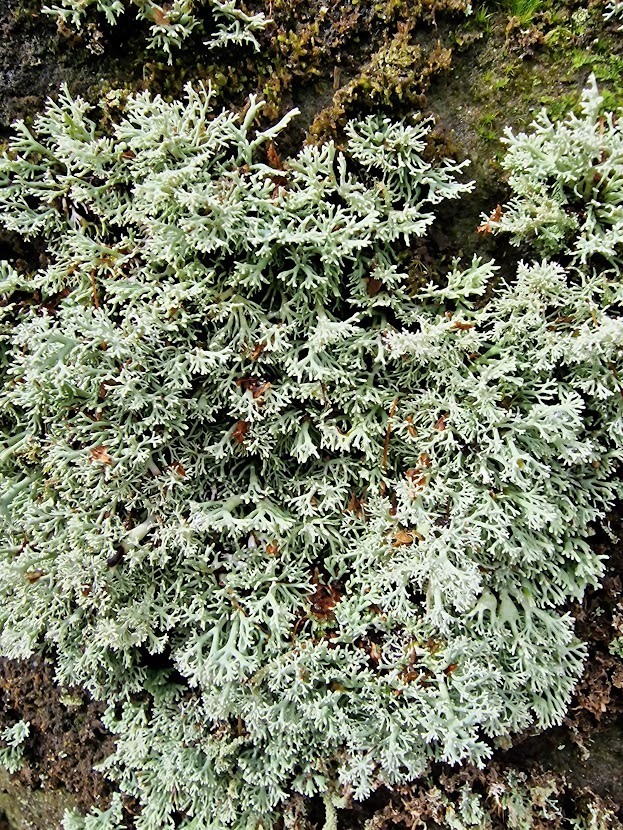
Farinose Cartilage Lichen Ramalina farinacea
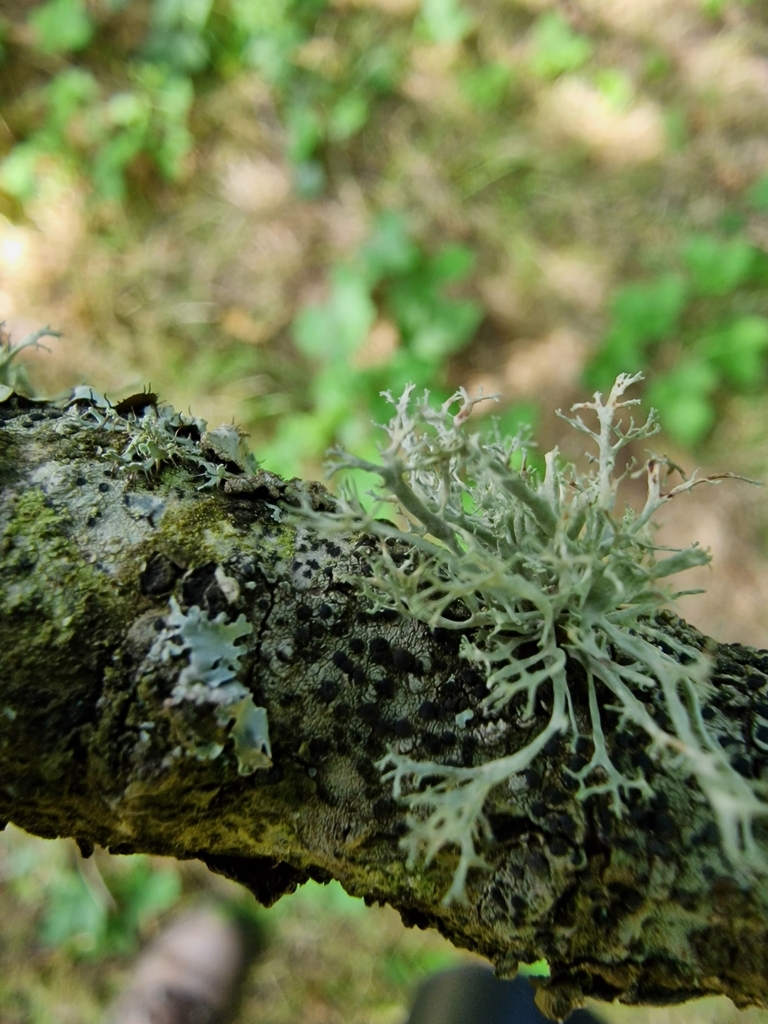
 

Bitter Wart Lichen Lepra amara
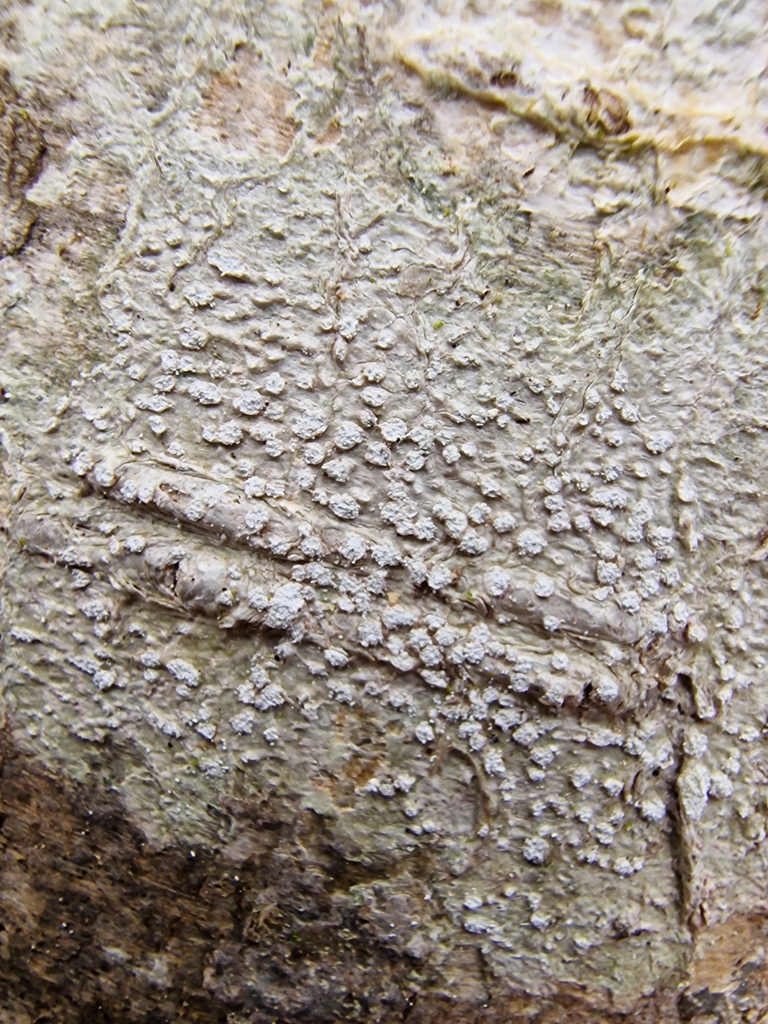
Pertusaria pertusa Pepper-Pot lichen
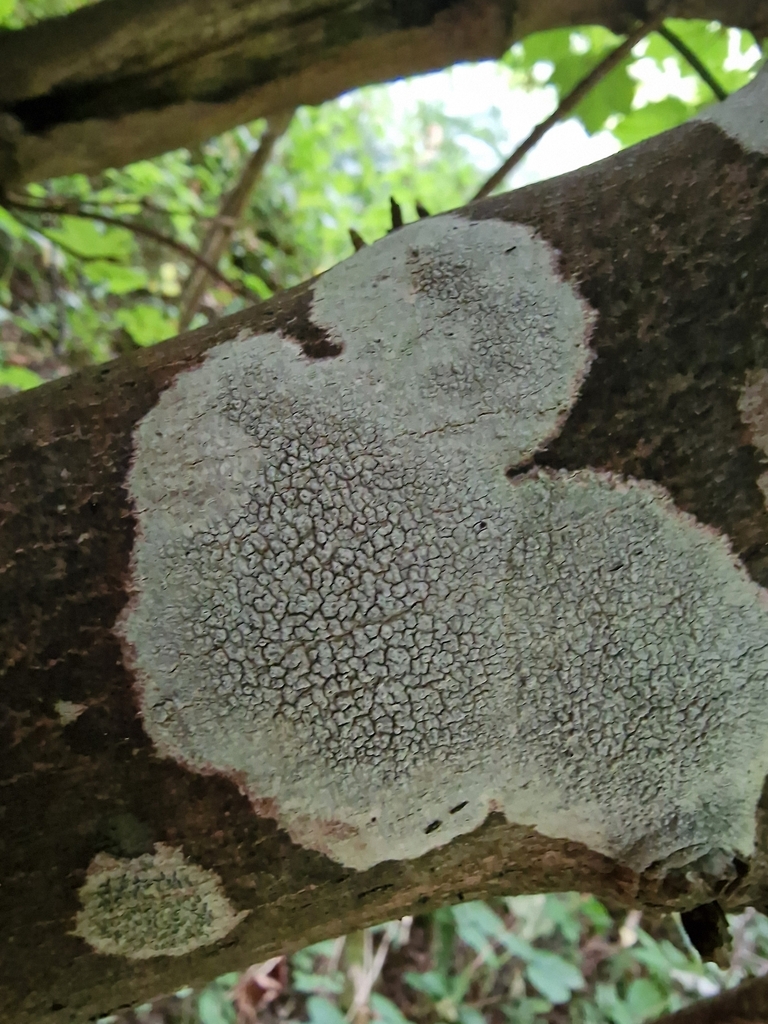
 

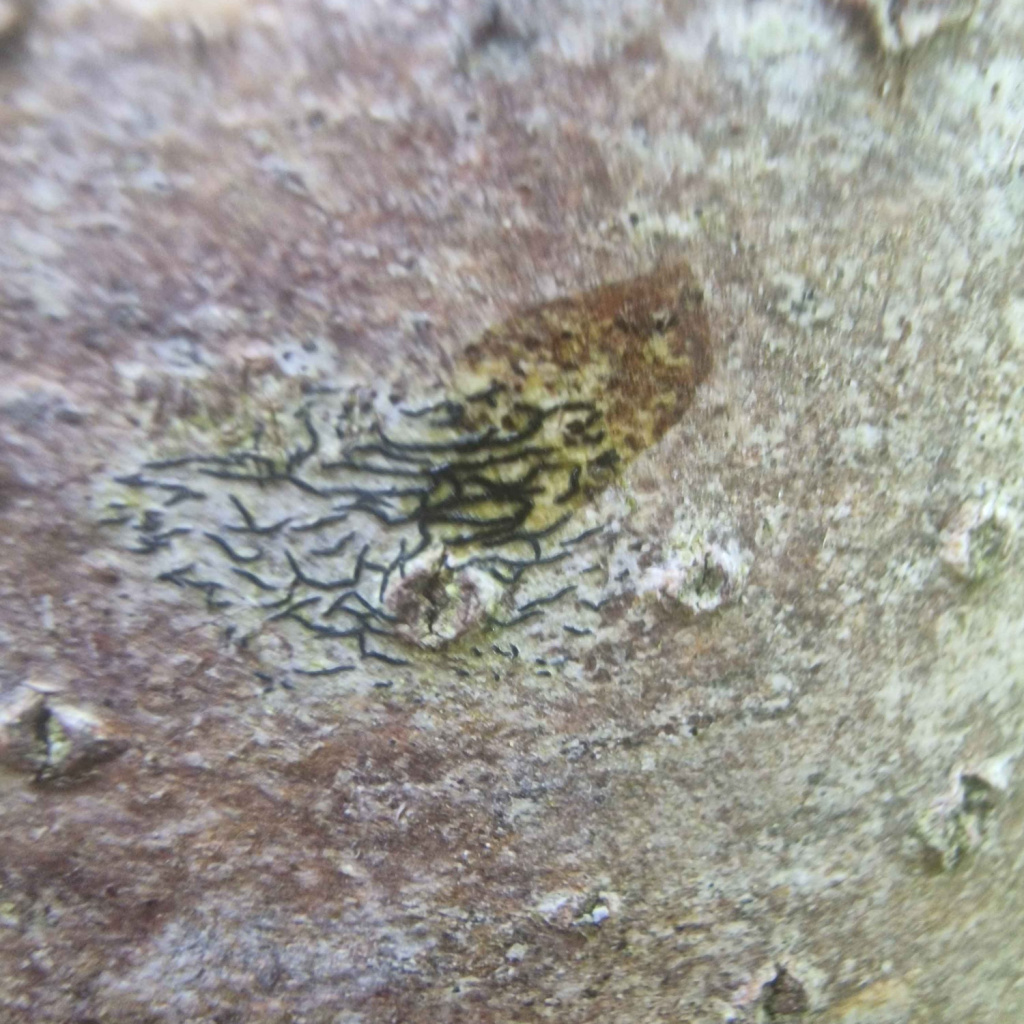
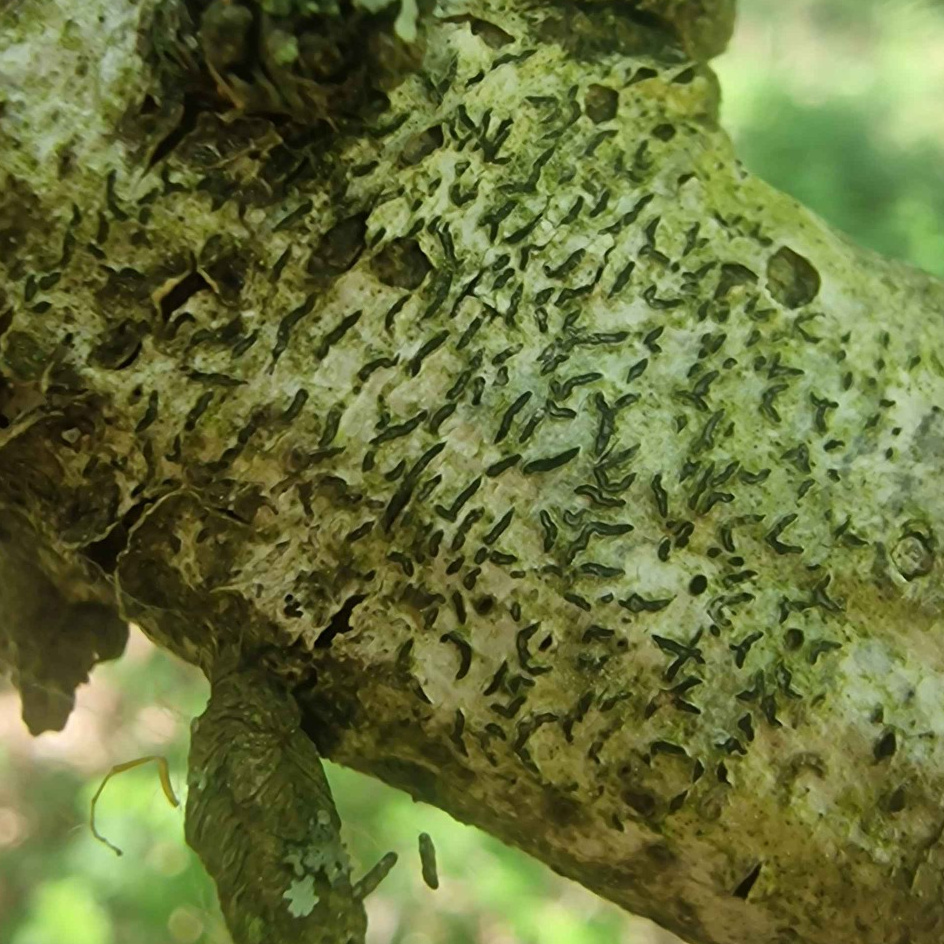
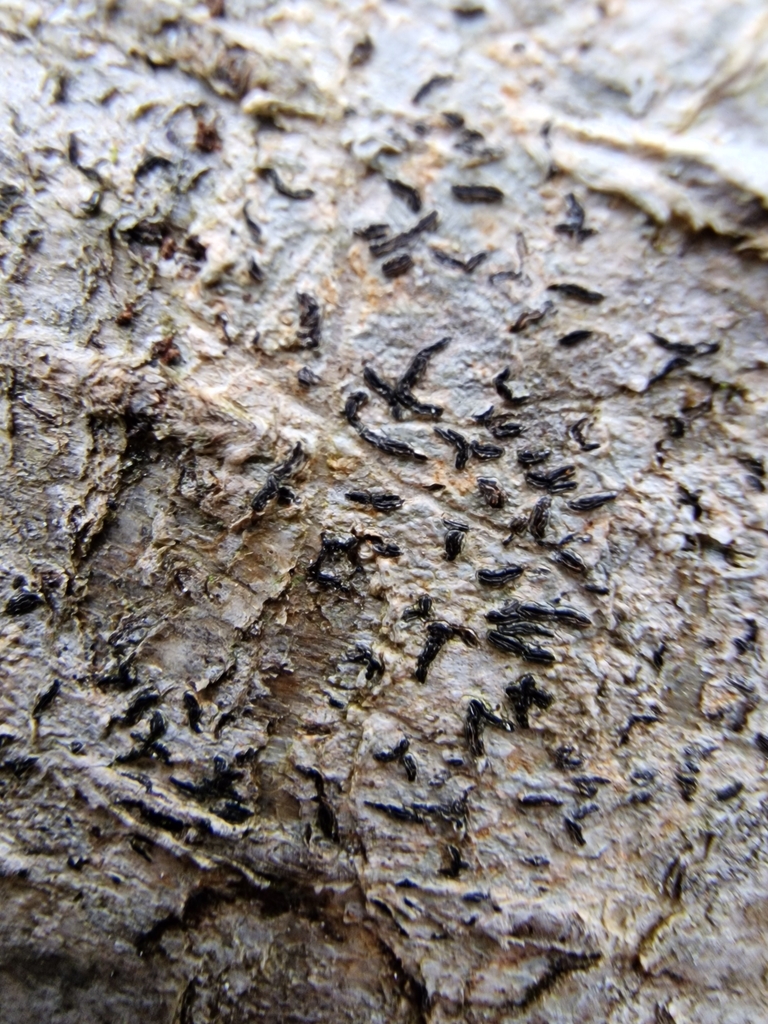
 A species of the Graphidaceae family, possibly Graphis scripta, common script lichen

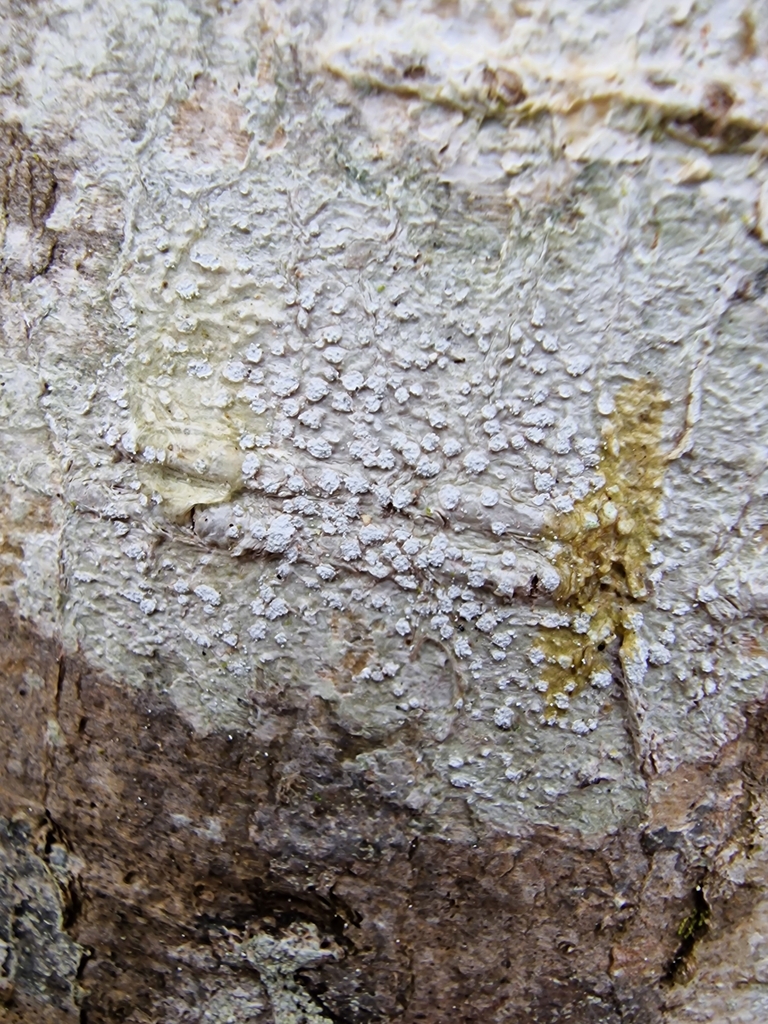
 Pore Lichen Lepra albescens
 

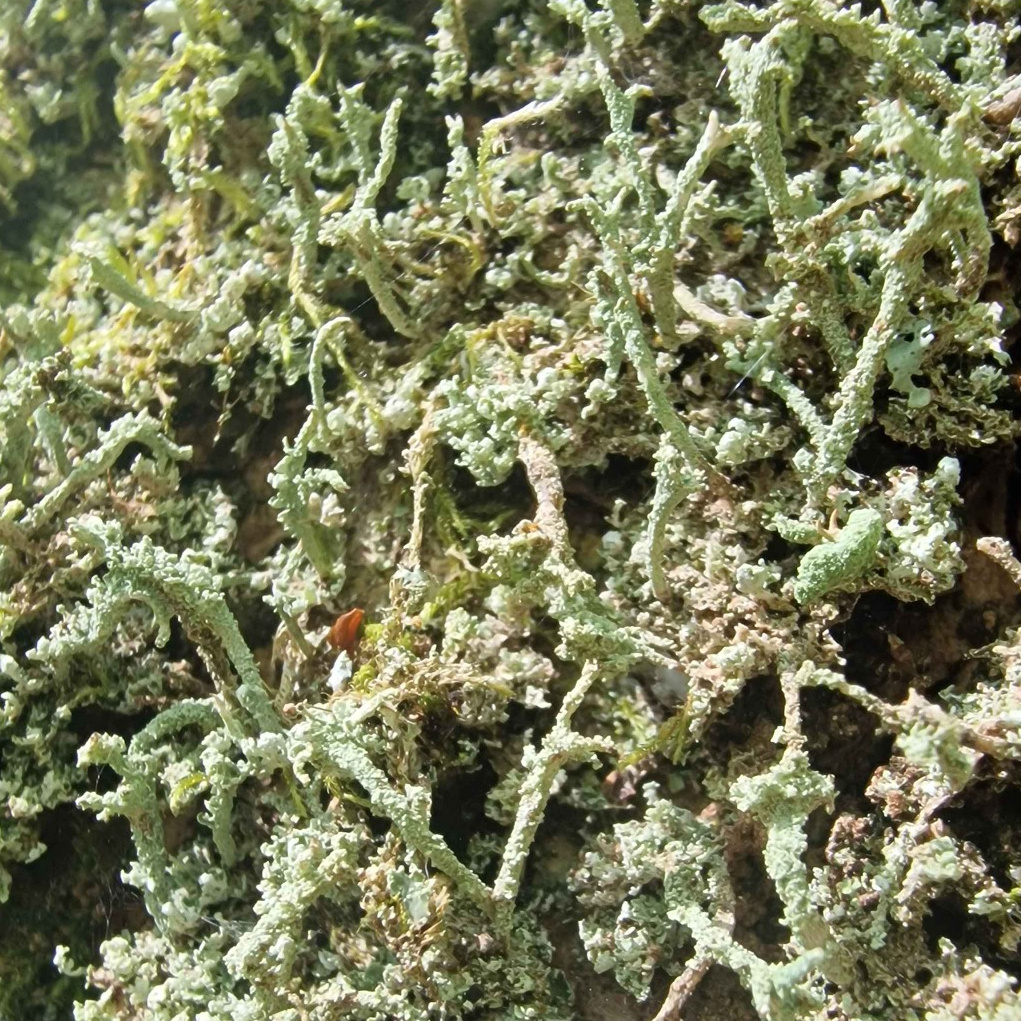
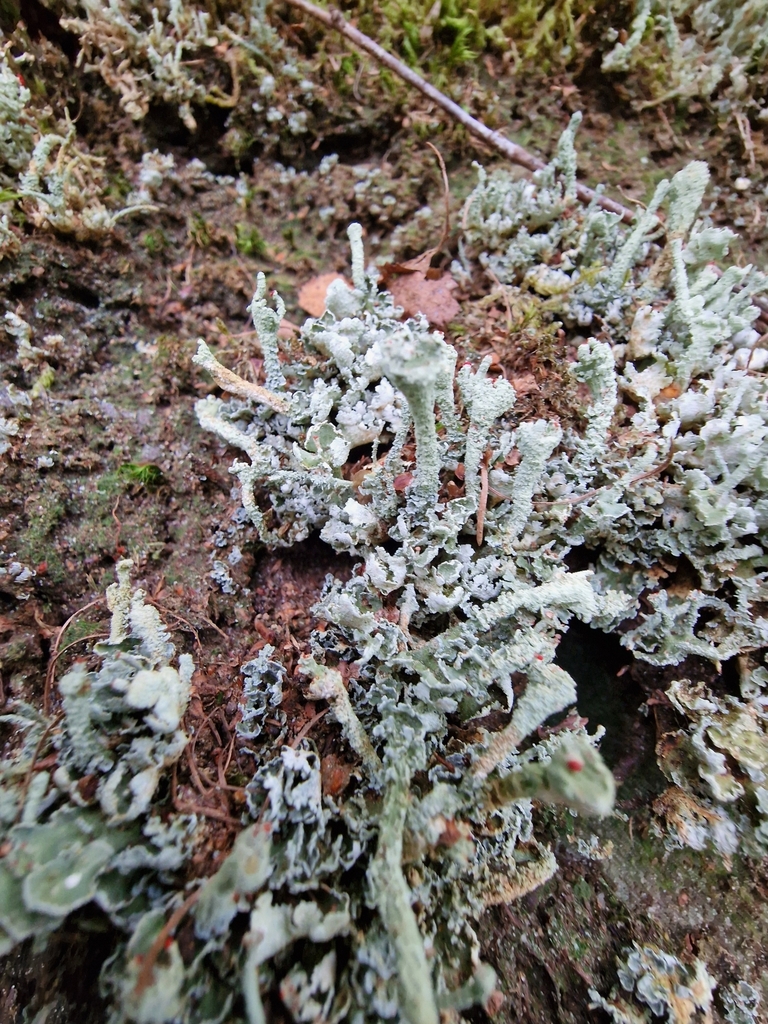
 Finger Cup Lichen Cladonia digitata

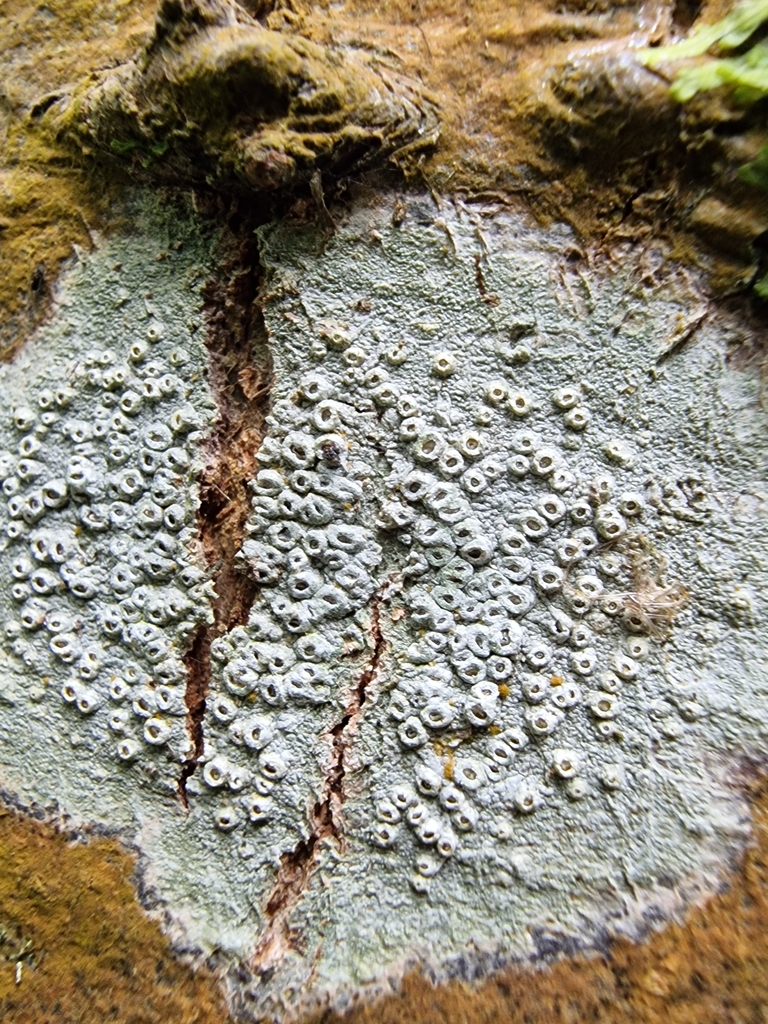
Bark Barnacles Thelotrema lepadinum - ancient woodland indicator species 
Inoderma subabietinum - ancient woodland indicator species
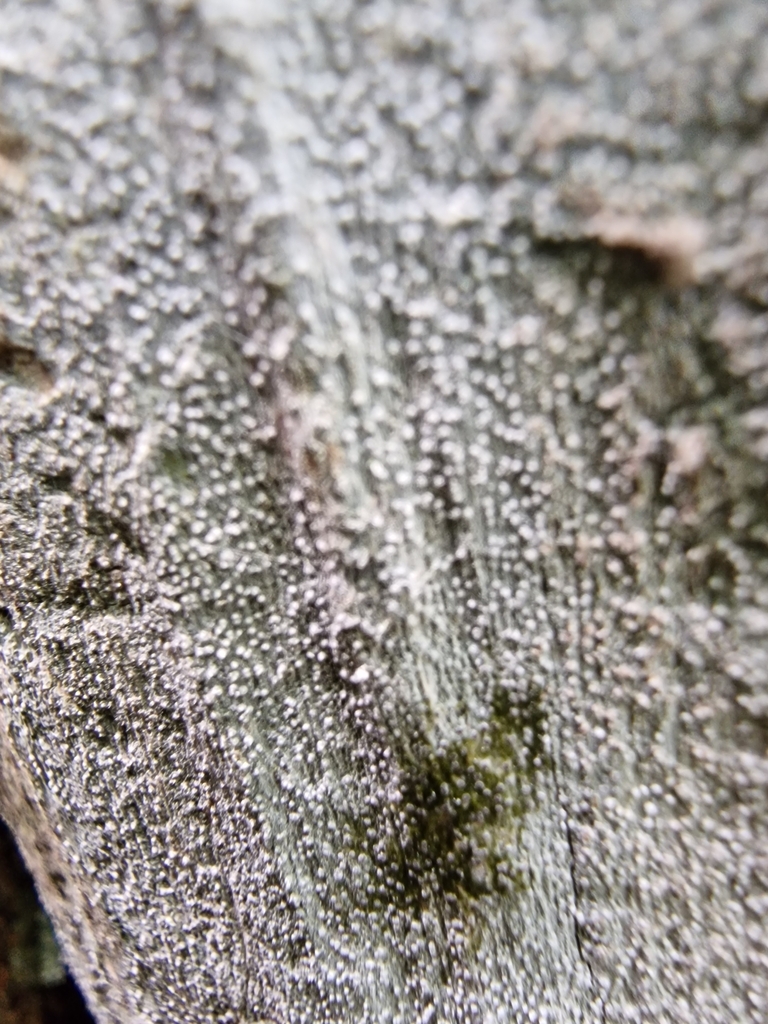
 

Bunodophoron melanocarpum - this is a species of Atlantic woodland (temperate rain forest) and is more commonly seen in Snowdonia and NW Scotland. It is seen at Eridge Rocks because the Ardingly sandstone of the ghyll woodland of Eridge Rocks is extremely damp because of springs, resulting in a degree of humidity commensurate with its survival even though Sussex does not have the degree of rainfall that Snowdonia and NW Scotland have


Tuesday, May 21, 2024

Lichens at Limpsfield Common, nr. Oxted, 20.05.24

Limpsfield Common is just in Surrey, just north of the West Sussex-Surrey boundary. It is managed by the Nation Trust: see: Limpstead Common for more information.

Limpsfield Common is on the Greensand Ridge, and is semi-natural ancient woodland and heathland. The trees on which these lichens were growing were Quercus robur, Fagus sylvatica and Betula pendula

Ramalina farinacea


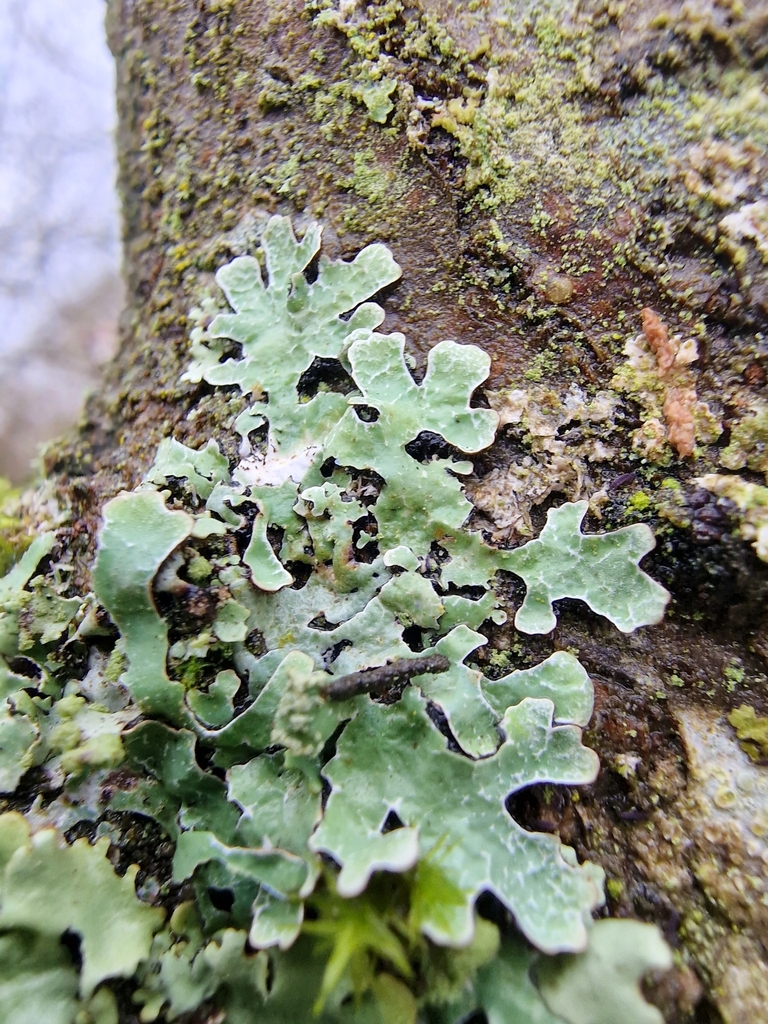
Pamatrema peralatum

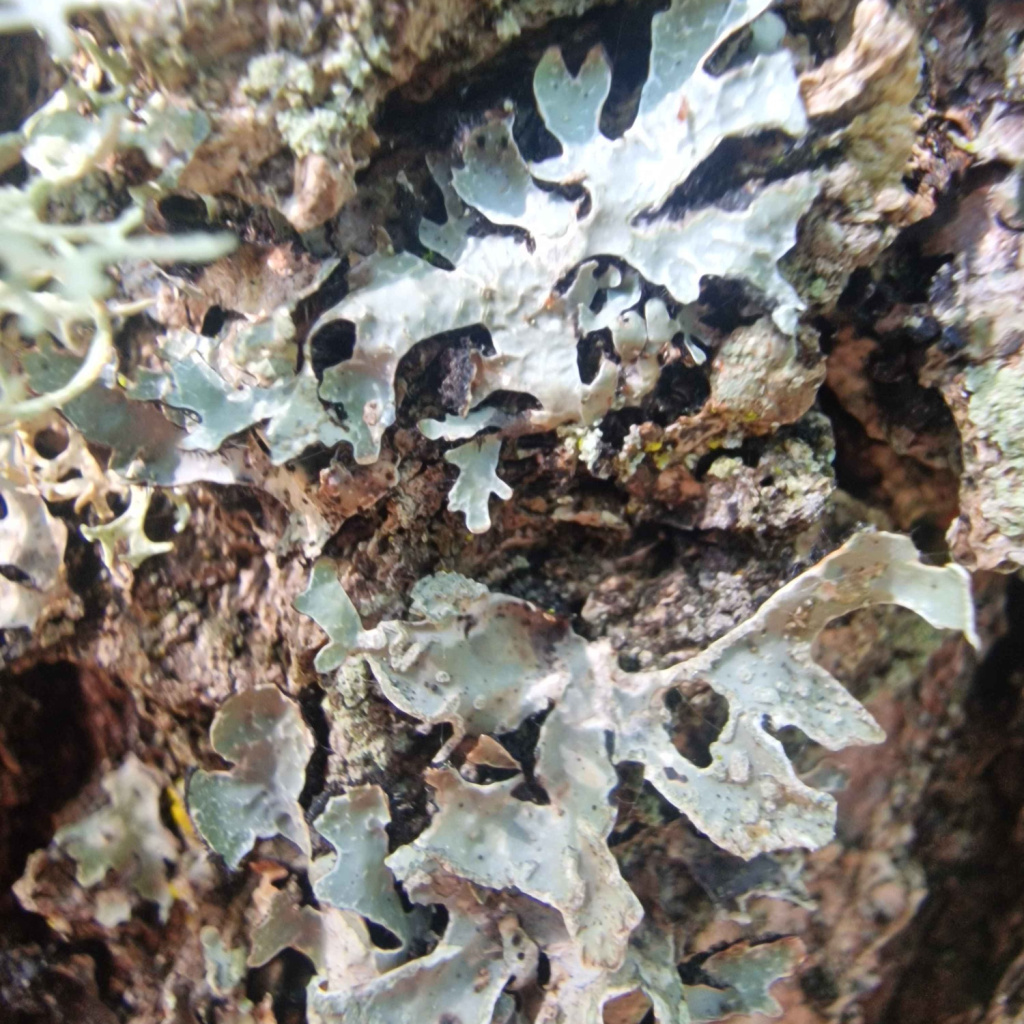
Parmeilia sulcata


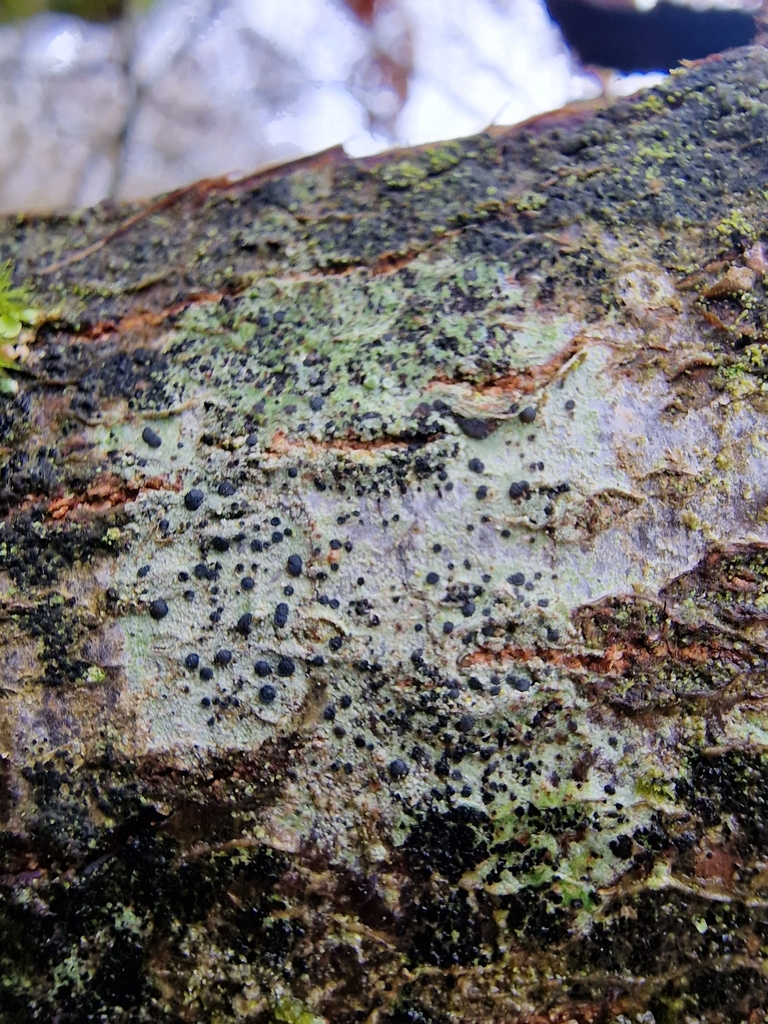
Lecidella eleachroma

Hypotrachyna afrorevoluta


 Arthonia atra

#

Graphis scripta


Cladonia coniocrea

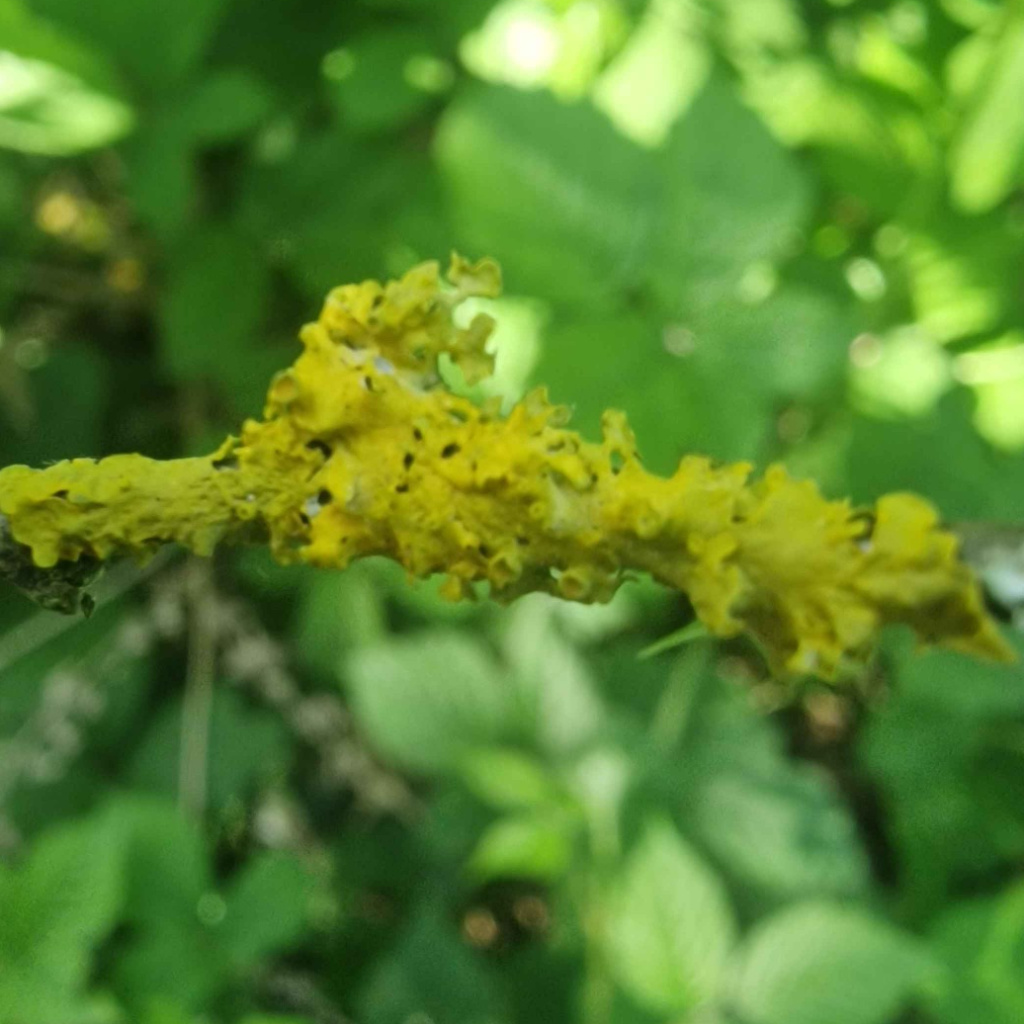
Xanthoria parientina

Saturday, March 2, 2024

Lichens at Ashcombe Bottom, between Brighton and Lewes. A relict of ancient South Downs forest 01.04.21

Ashcombe Bottom, 4km west of Lewes, is one of the very few ancient woodlands left on the East Sussex Downs. ... the hazel coppice supports a colony dormice - an exclusively arboreal rodent - to which for millennia this wood must have been a kind of ark in an ocean of open fields. Among the hazels grow many spreading oaks, their branches festooned with polypody and harts tongue ferns. Oaks dislike chalk but thrive here because the acid clays deposited on top the chalk have not been dispersed by ploughing or erosion.Owen Johnson (1998) The Sussex Tree Book p.24. 


Normandina pulchella Elf Ears Lichen with Fruliana Dilatata, Dilated Scalewort 
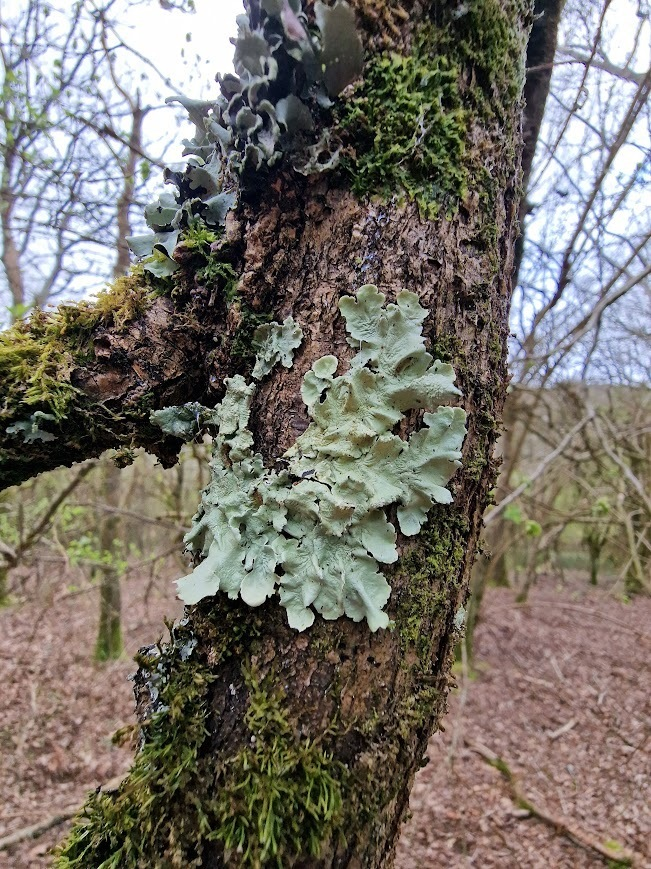
Parmotrema perlatum, Black Stone Flower and Fruillana dilatata, Dilated Scalewort. growing on an Oak 


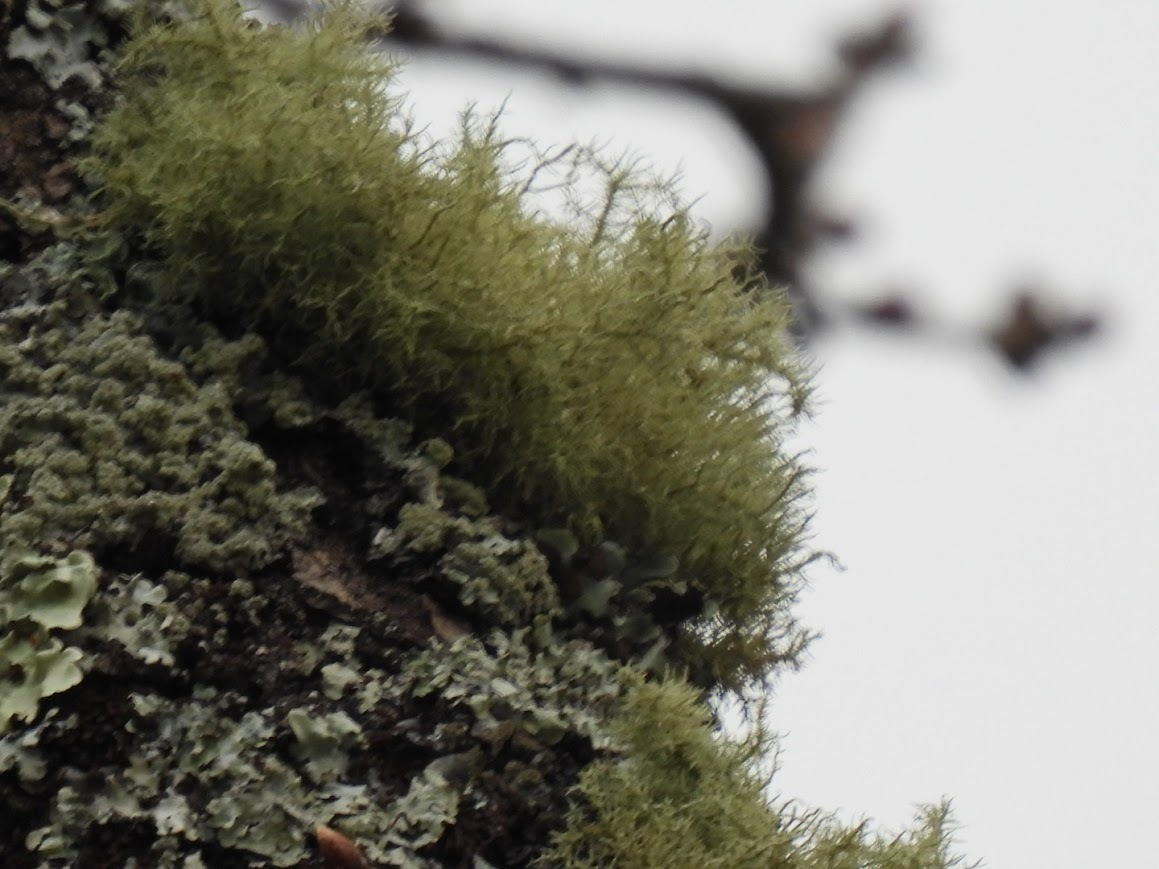
 An Usnea sp, possibly Usnea cornuta s. l., high up on the branches of the fallen oak above 


Xanthoria parietina Golden Shield Lichen
  

Probably Lepraria finkii Fluffy Dust Lichen


Flavoparmelia caperata Common Greenshield Lichen; common on may trees in Ashcombe Bottom 


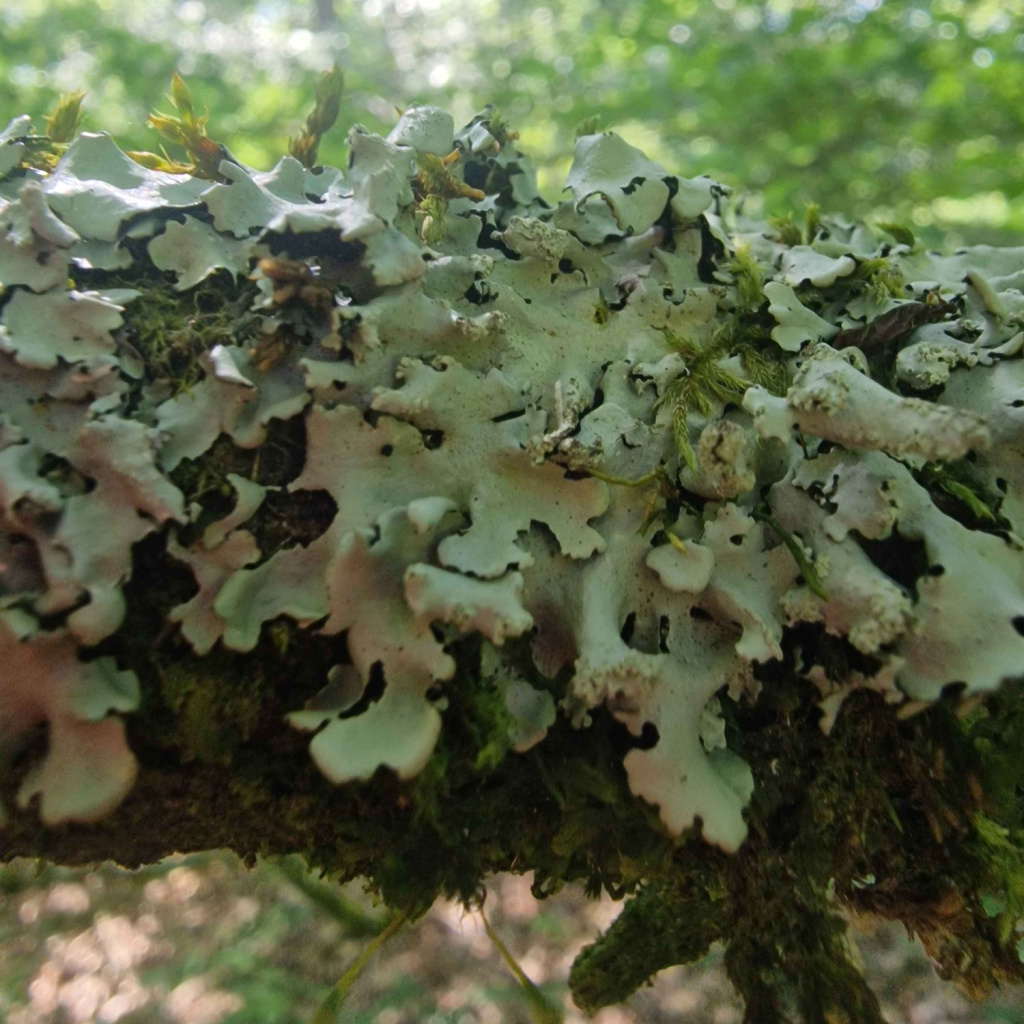
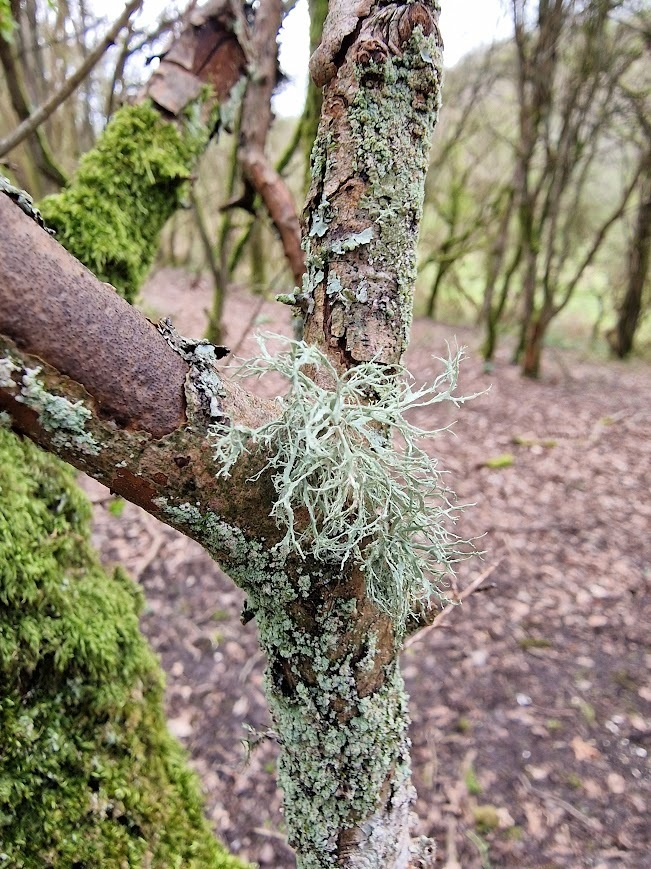
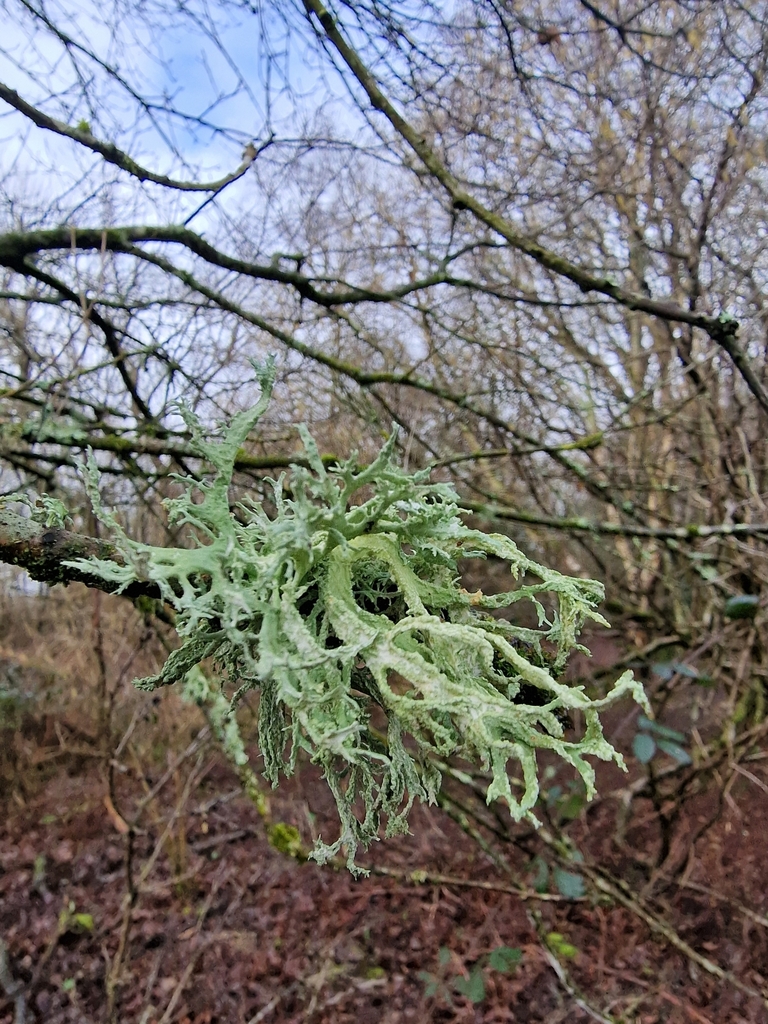
Ramalina farinacea Farinose Cartilage Lichen, a very common lichen on Hawthorn and other trees 


For a fuller account of all the species I saw at Ashcombe Bottom see:  

Ashcombe Bottom, East Sussex. Relict ancient woodland on the South Downs. Birds, vascular plants, bryophytes, lichen & fungi. 01.04.21


Wednesday, February 14, 2024

Lichens on a Penduncluate Oaks, Quercus robur. Pagham Harbour. 12.02.24


Habitat/History: If you interpret their shape (twisted/stunted),habitat, and the lichen epiphyte Lecanactis abietina, of these trees, information can be gained about their history. These Oaks at Pagham are partly submerged at high tide and their shape is not typical. Oaks don't particularly like coasts and they tend to grow upright in woods. These trees' epiphytes include probably Lecanactis abietina, an old tree indicator, whose vernacular name is "old wood lichen"; it is unusual on 'maritime' trees.

Presumably when these Oaks started to grow they were not by the sea. The lichen probably started using the Oaks as substrates (through wind/animal/rain transfer of spores (fungus only which need to meet the right alga; or transfer of fragmented blobs of fungus (mycobiont)/alga (photobiont) together when they were not by the sea. Then, after the lichen was established, the harbour changed shape and the sea encroached to the edge of these trees 
 
Because of the geology of the Manhood Peninsular (Eocene Bracklesham Group (sands, silts and clays)) the shape of the coast and harbour changed frequently. It is known from the historical record the Pagham Harbour has constantly changed from the times of the Roman occupation, when it was used as a port, to today.

what3words location: ///rise.duet.reds

Lichens:

Lecanactis abietina 

Xanthoria parietina, Golden Shield Lichen

Ramalina farinacea, Farinose Cartilage Lichen

 
Cladonia coniocraea, Common Powderhorn
 

Flavoparmelia caperata, Common Greenshield Lichen

 
Mosses:

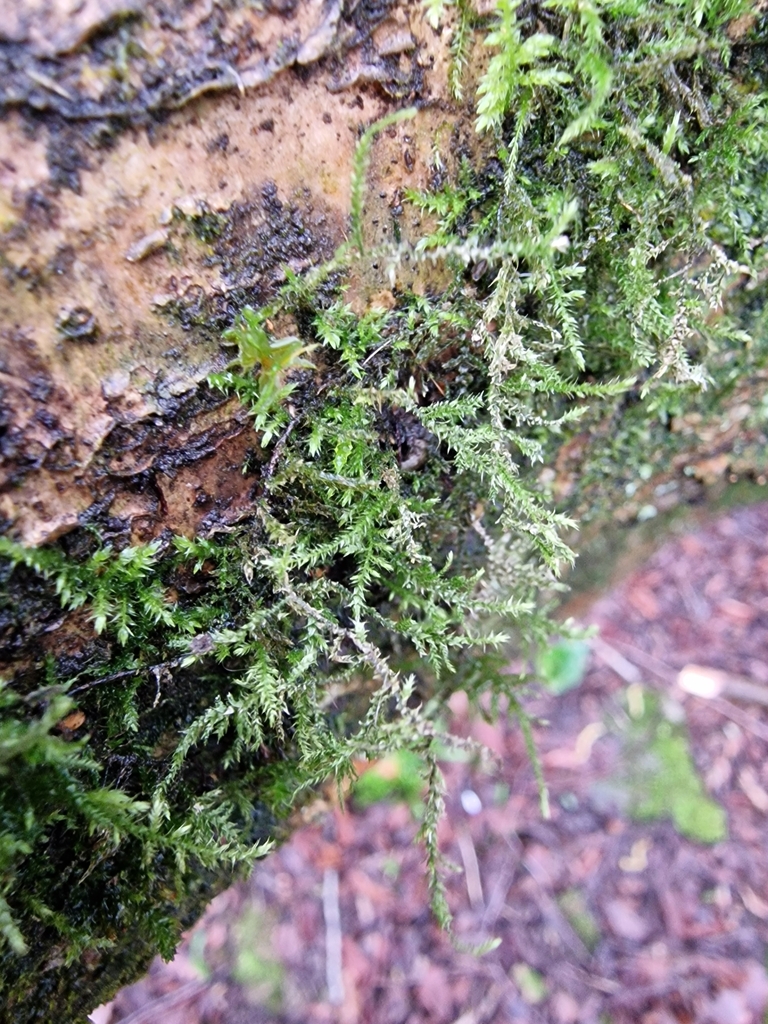
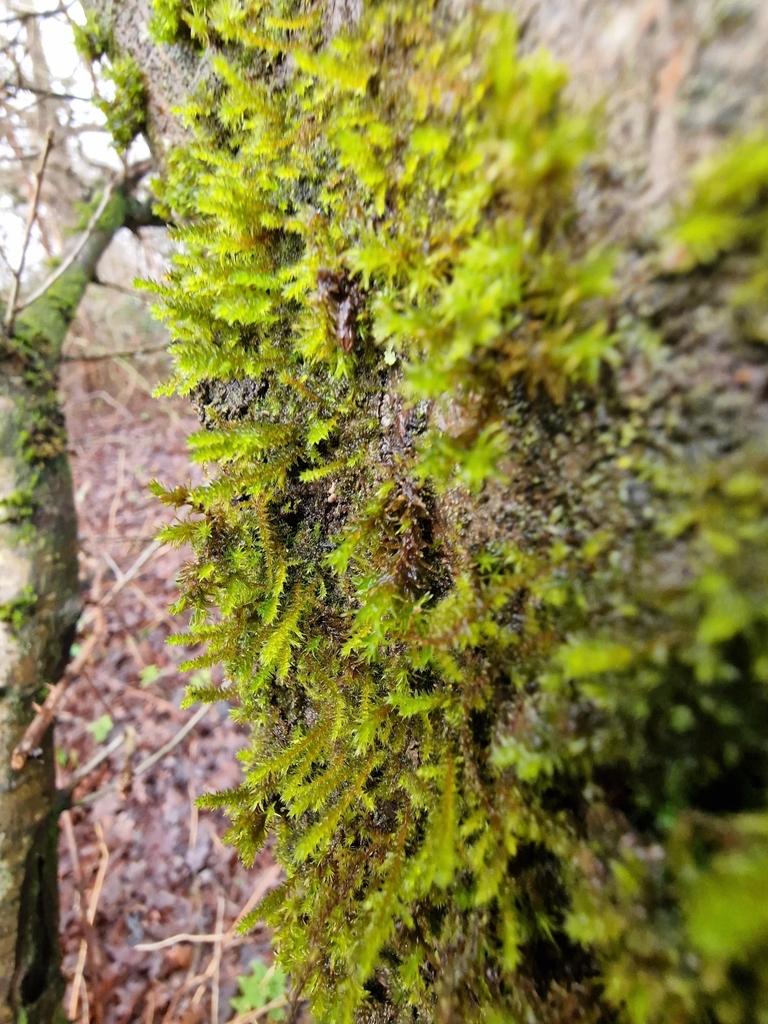
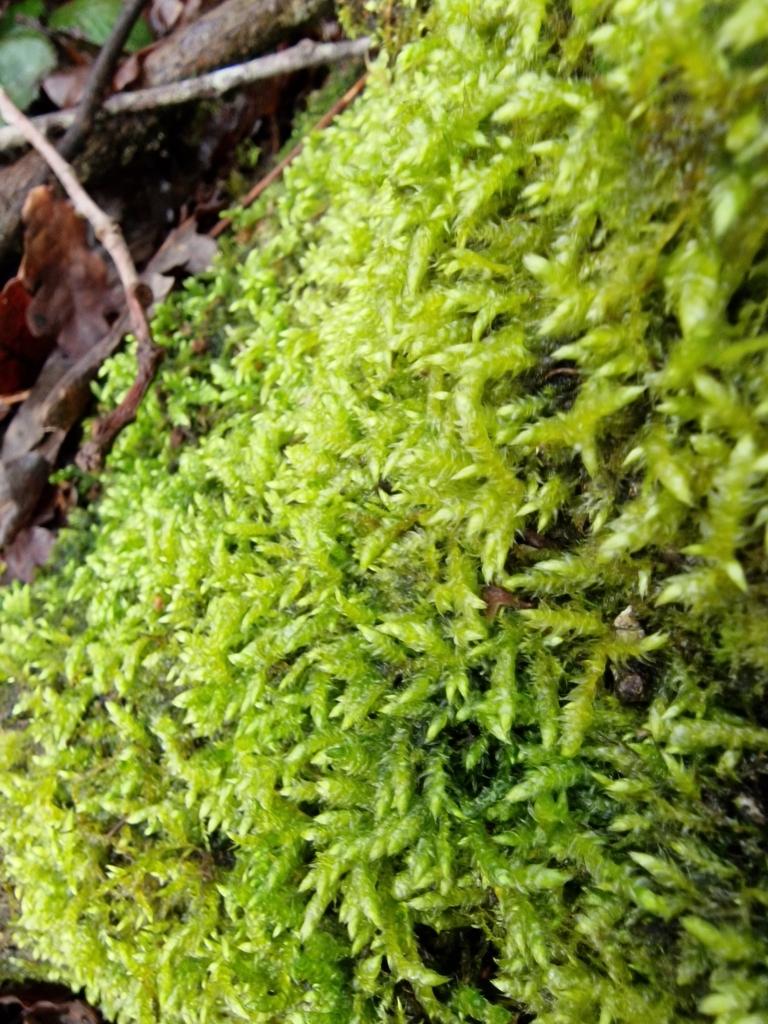
Hypnum cupressiforme Cypress-leaved Plait-Moss

Genus Didymodon

Lewinskya affinis Wood Bristle-Moss


Saturday, February 10, 2024

Pendunculate Oak, Quercus robur. Bedelands Farm LNR Big Wood, Burgess Hill. 09.02.24 (LWLWD)


Habitat: .Ancient Woodland, including Quercus robur; Hornbeam, Carpinus betulus and Wild Servive Tree, Sorbus torminalis

History: previously part of the larger forest of the low weald

Location status: Bedelands Farm Local Nature Reserve

Woodland Trust Ancient Tree Inventory number: N/A

Public accessibility: open public access

what3words location: ///broker.transit.adopt

Lichens:

Parmotrema perlatum,Black Stone Flower


Ramalina farinacea,Farinose Cartilage Lichen

Lecidella elaeochroma,Lecidella Lichen

Evernia prunastri,Oakmoss


Parmelia sulcata, Shield Lichen


Physcia tenella,Fringed Rosette Lichen


Mosses:

Oxyrrhynchium hians,Swartz's Feather-Moss

Cryphaea heteromalla,Lateral Cryphaea

Hypnum cupressiforme,Cypress-leaved Plait-Moss


Liverworts:

Ferns:

Other non-epiphytc organisms:

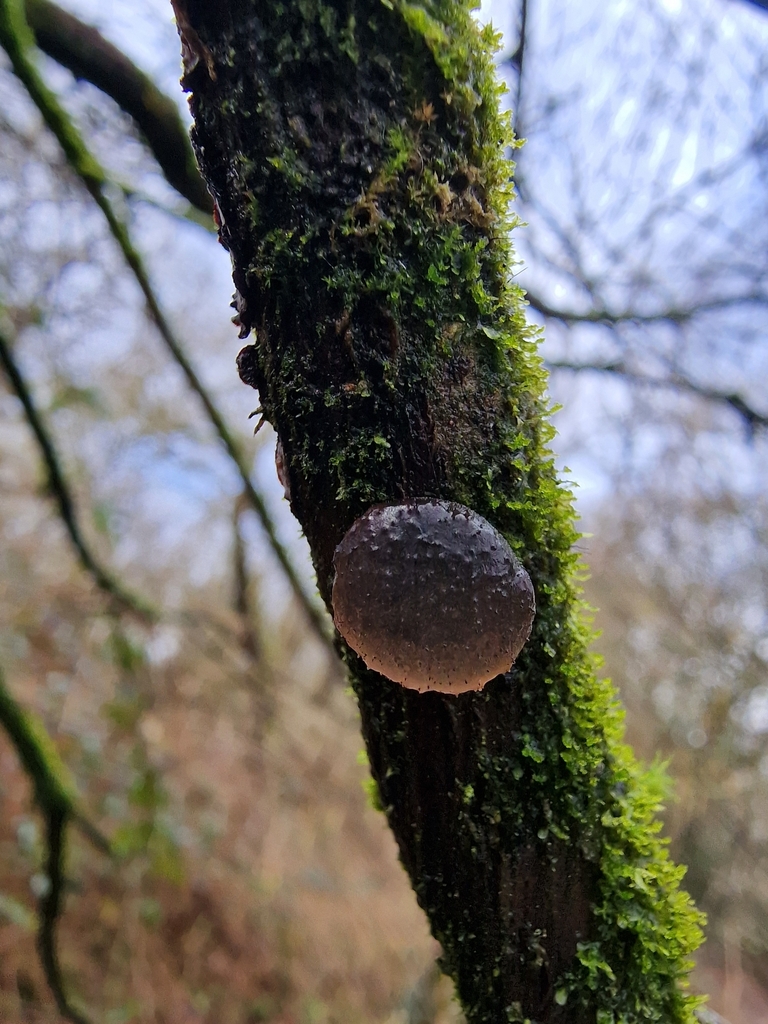
Exidia glandulosa, Witches' Butter