Translate

Sunday, April 21, 2024

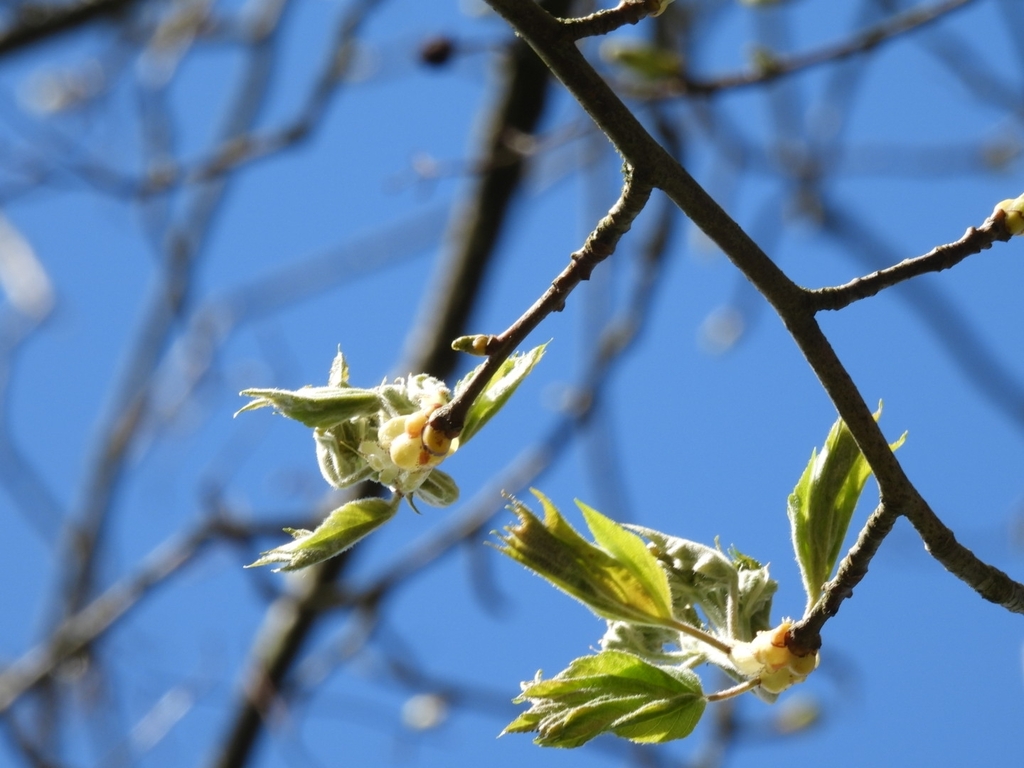
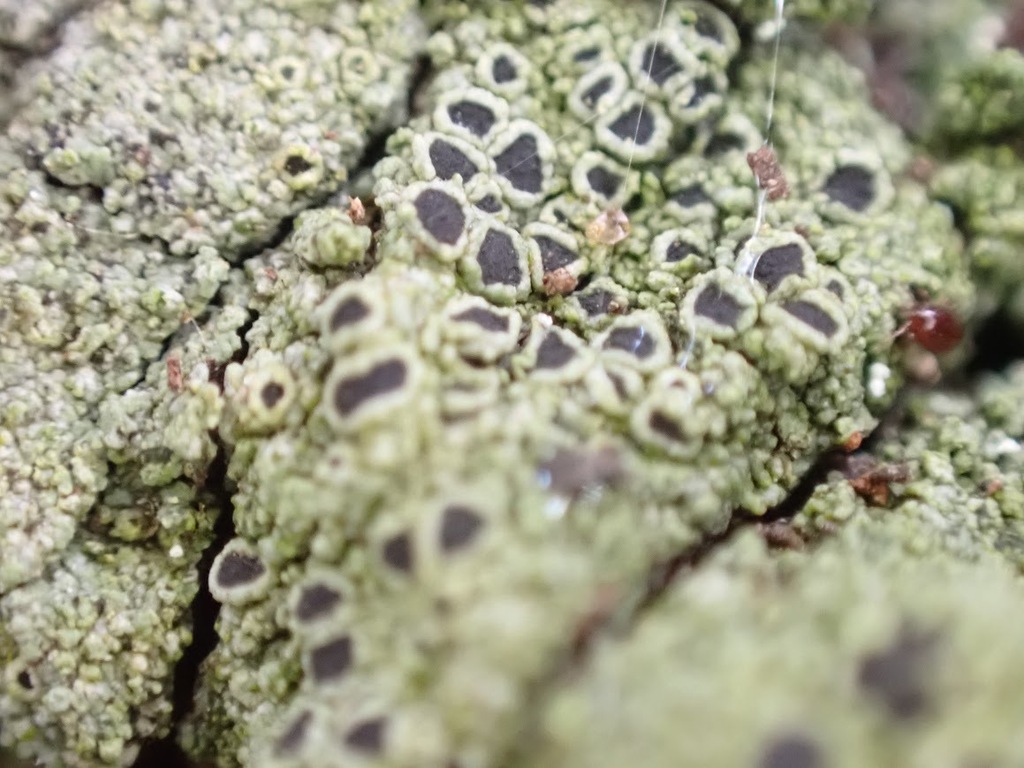
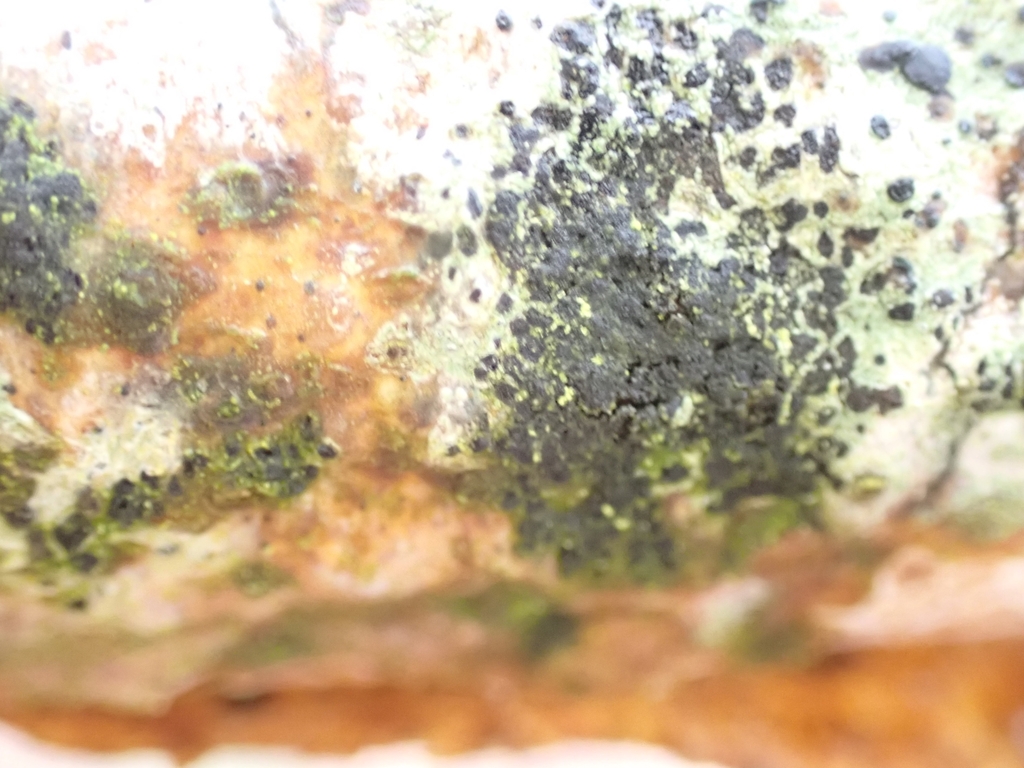
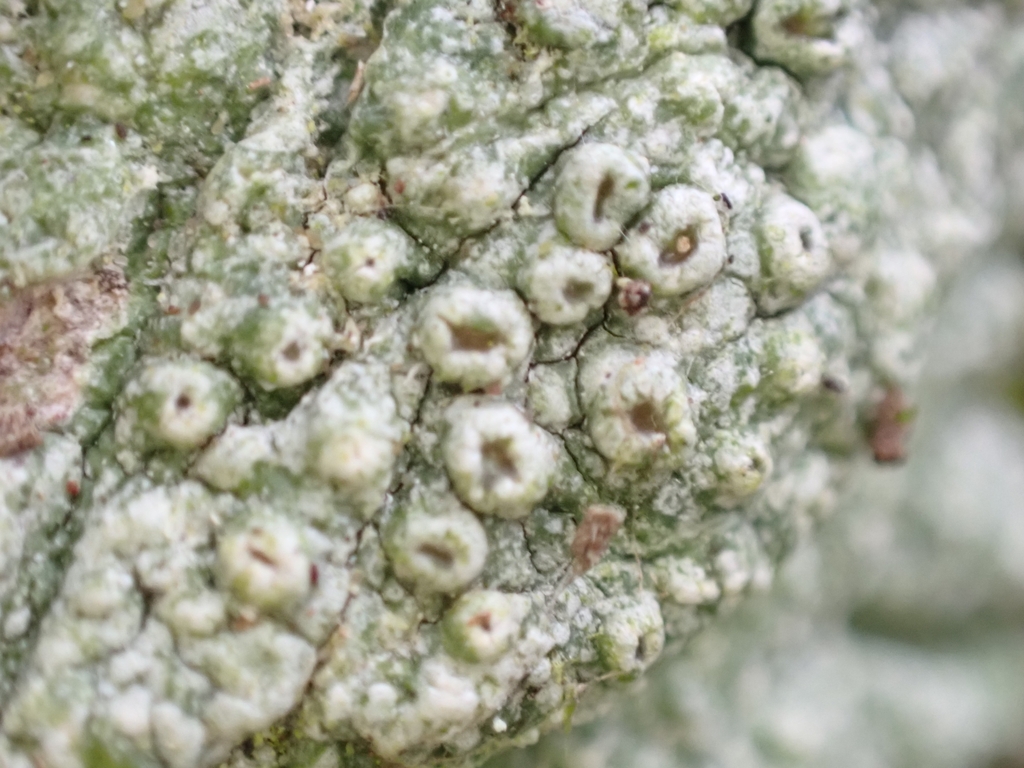
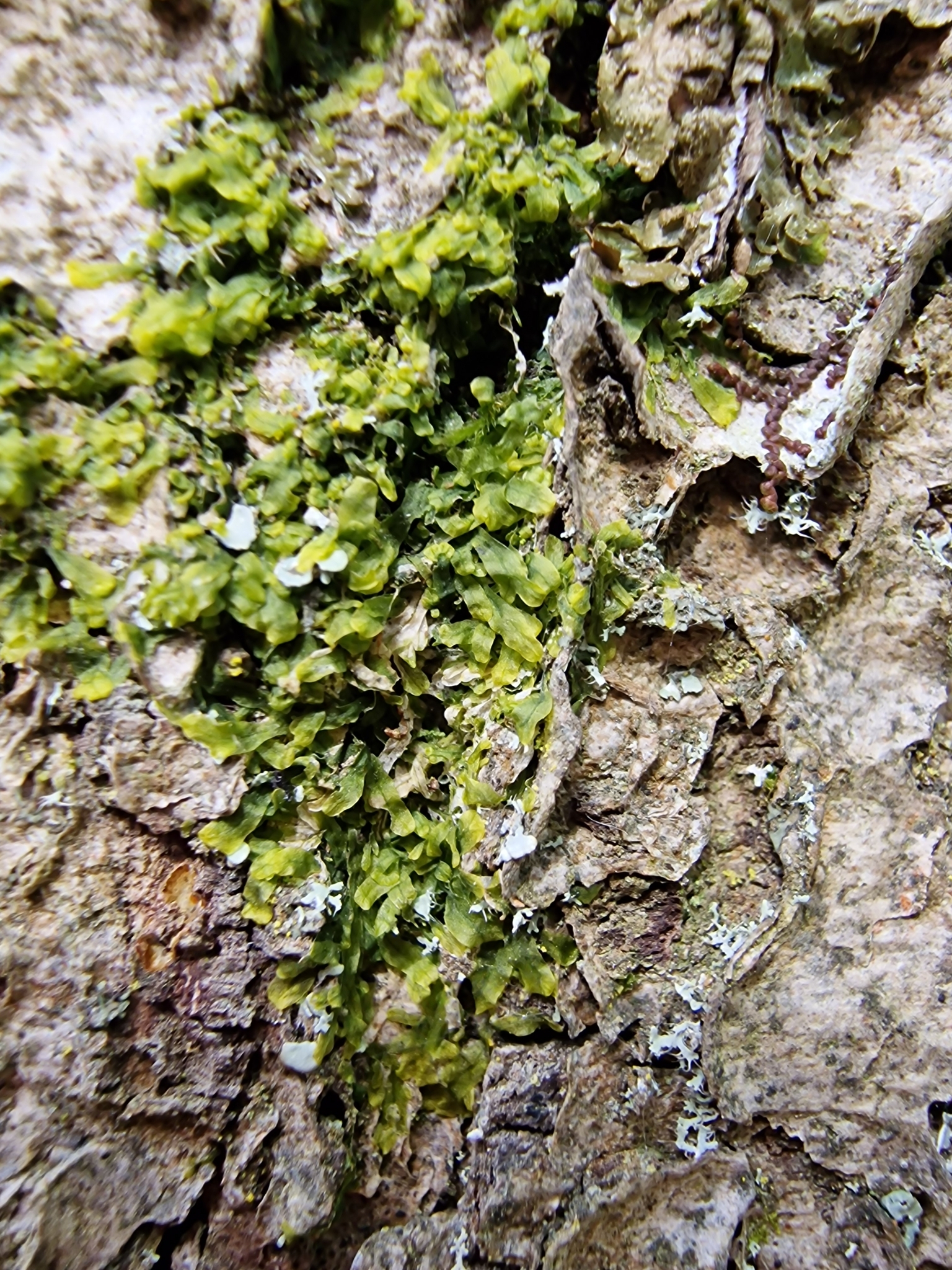
Lichens on three Wild Service Trees, Torminalis glaberrima, in woods north-west of Cow Fold, 16.04.24

I examined three Wild Service Trees near Cowfold. All three had the same lichen community growing on them.
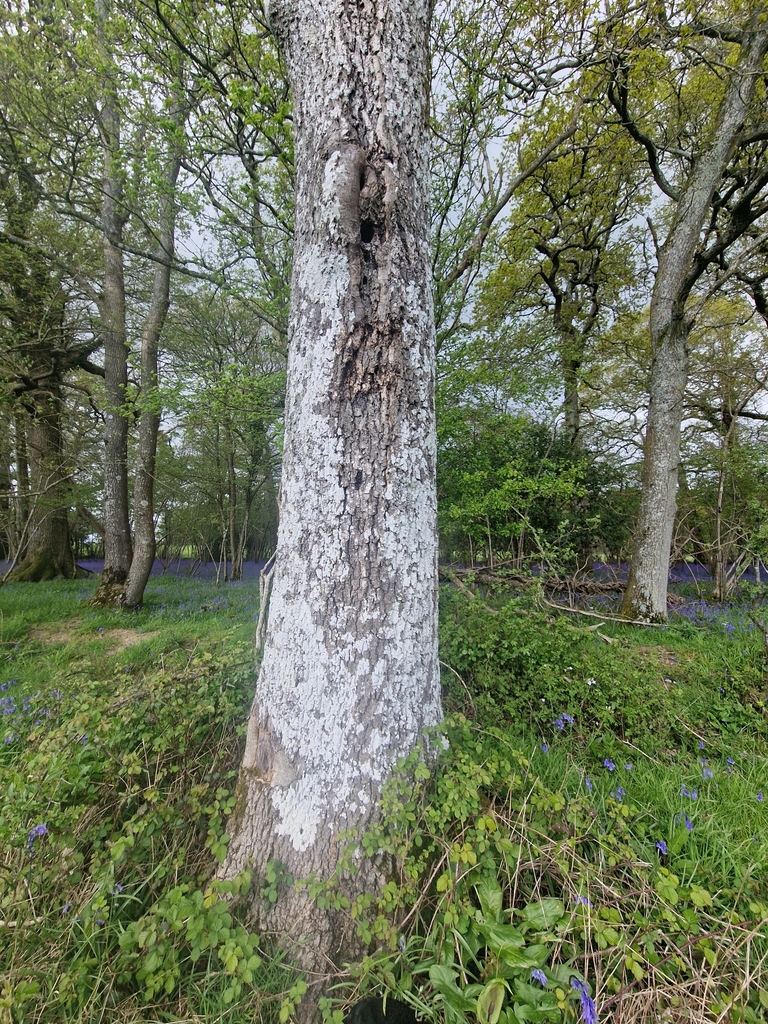
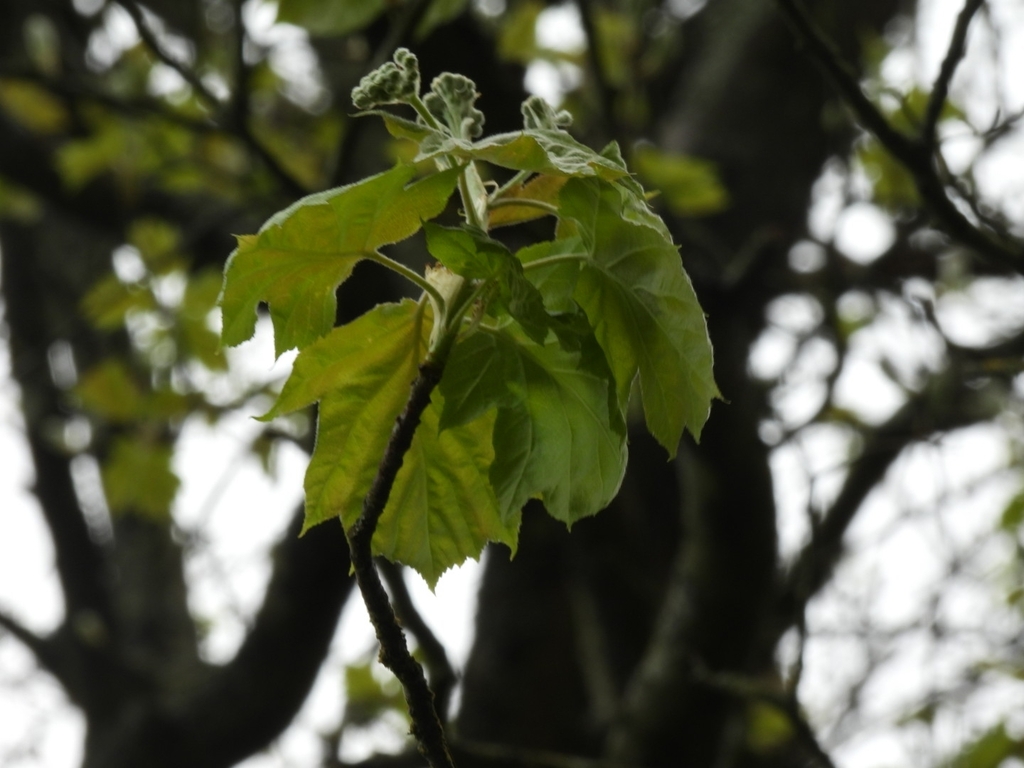


Habitat: Low Weald ancient woodlands on clay. Ancient woodland status suggested through presence of Yellow Archangel, Bluebells, Wood Sedge, Midland Hawthorn, and Wild Service Trees

This map showing the location of these tress is from Dave Bang's The Land of the Brighton Line: A field guide to the Middle Sussex and South East Surrey Weald (2018)


Lichens:

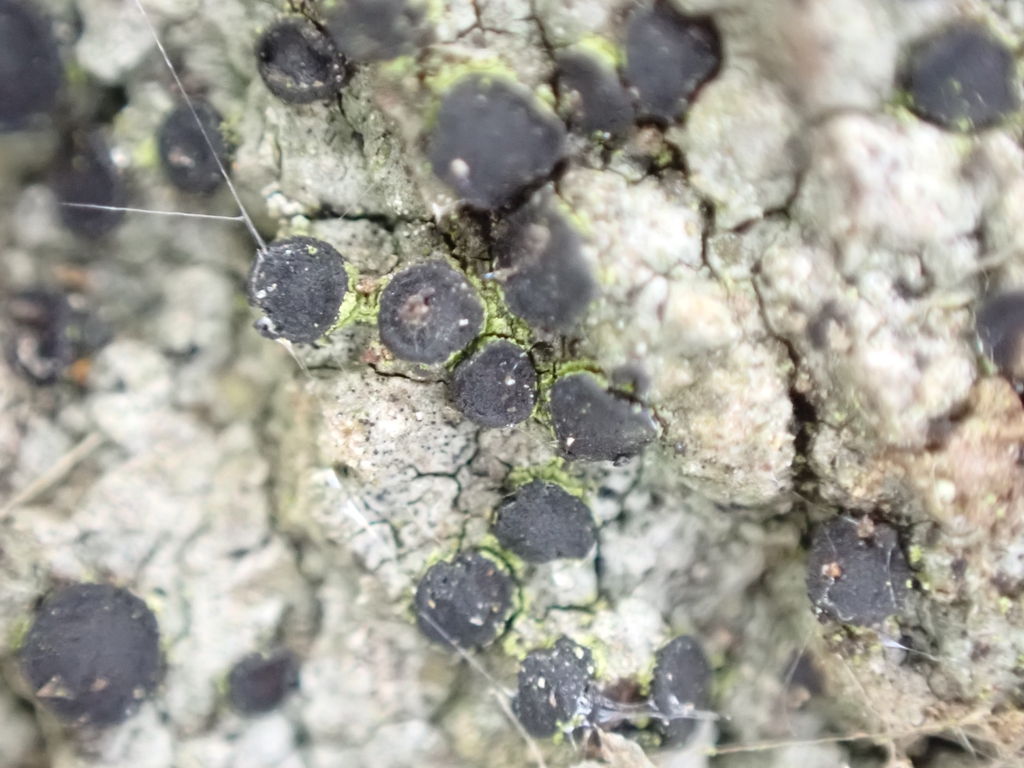
Possibly Buellia griseovirens
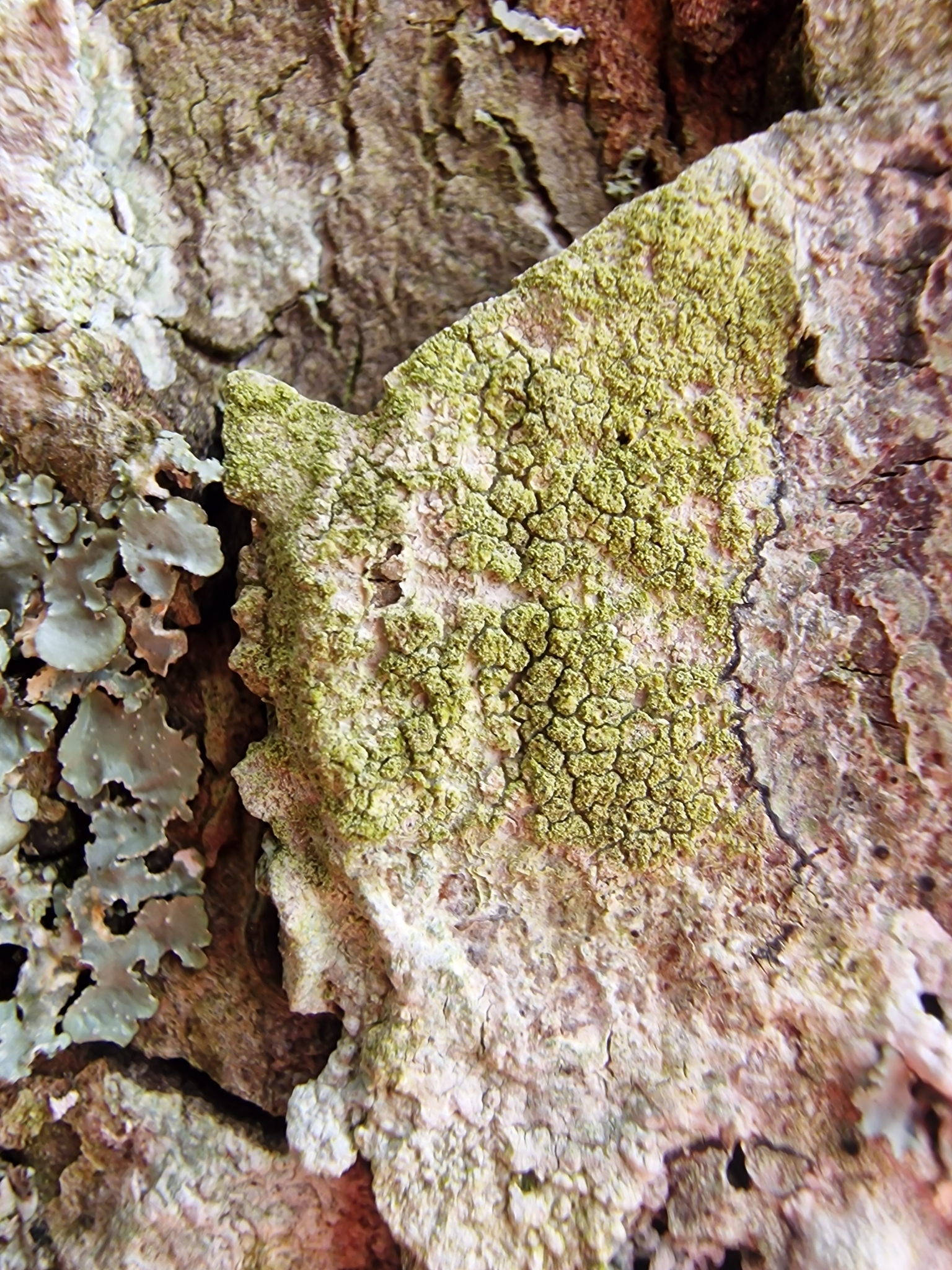

Lepra amara Bitter Wart Lichen
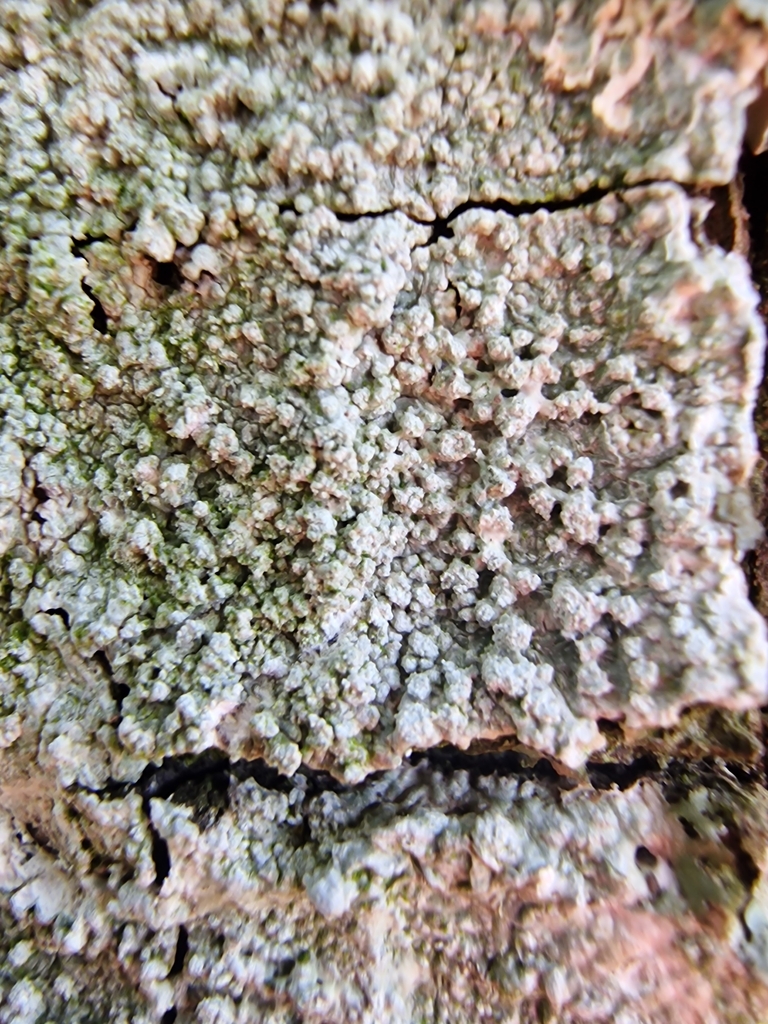

Flavoparmelia caperata Common Greenshield Lichen
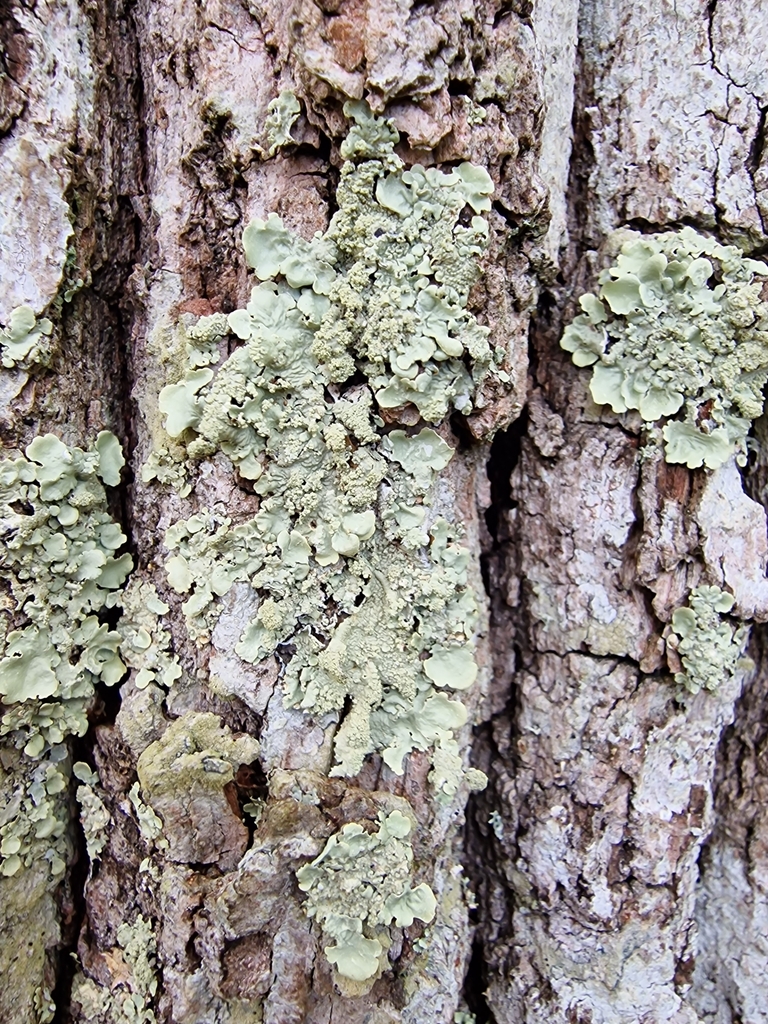

 Lecidella elaeochroma Lecidella Lichen
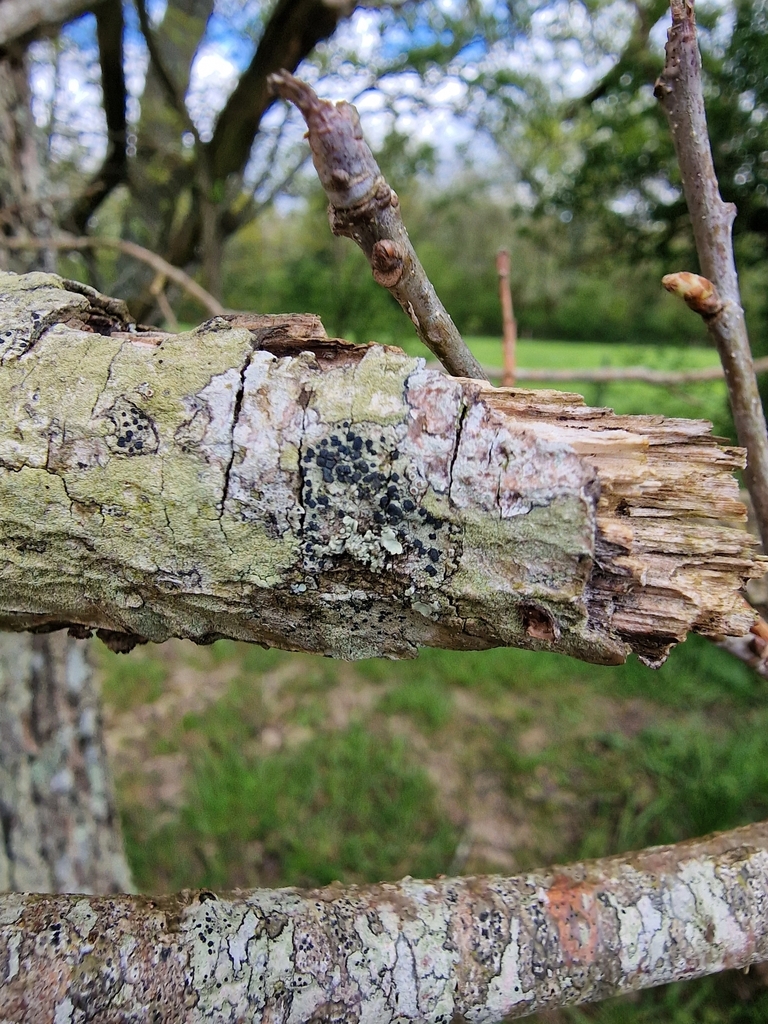

Pyrrhospora quernea
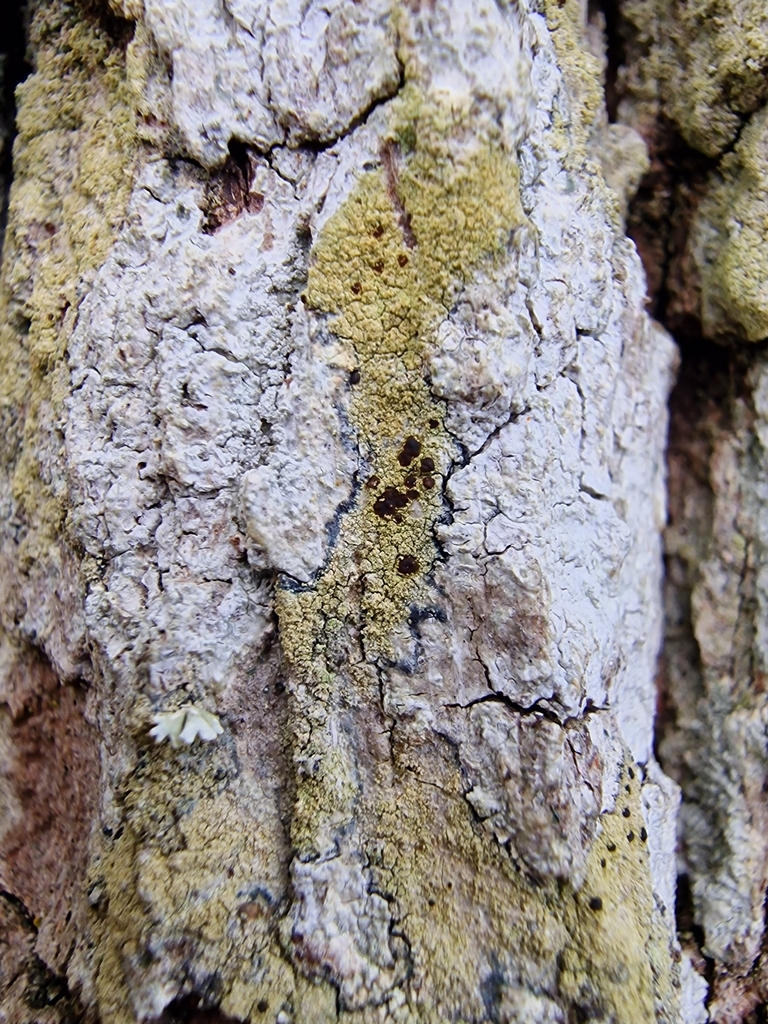
 

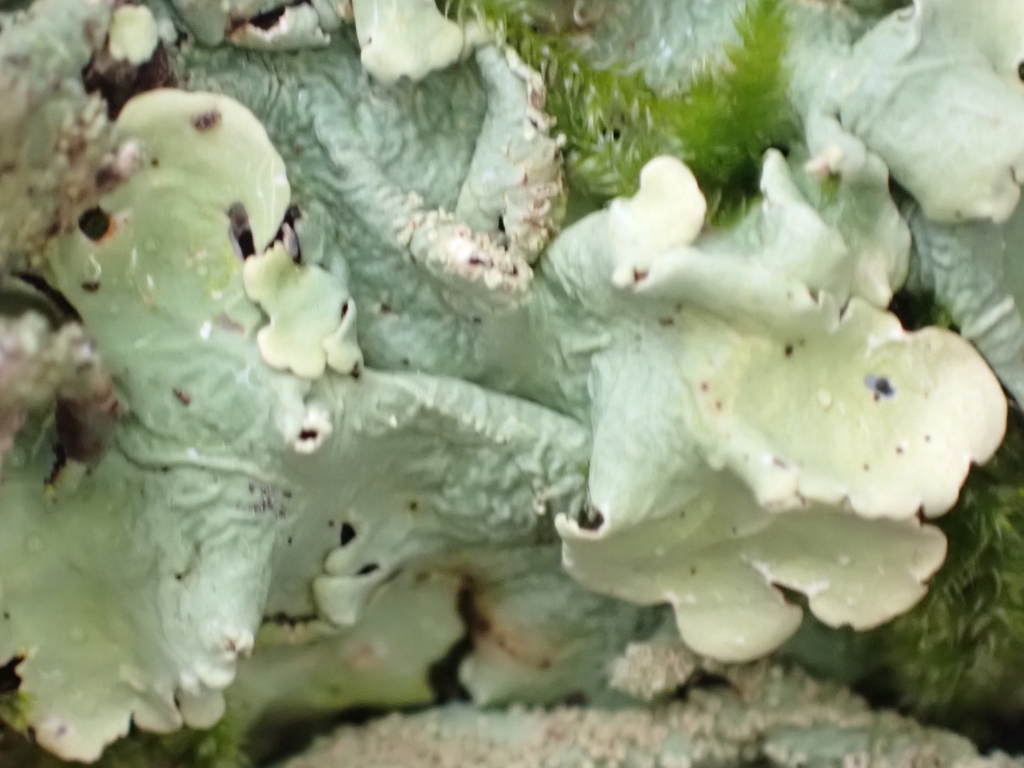
 Possibly Punctelia jeckeri Powdered Speckled Shield Lichen
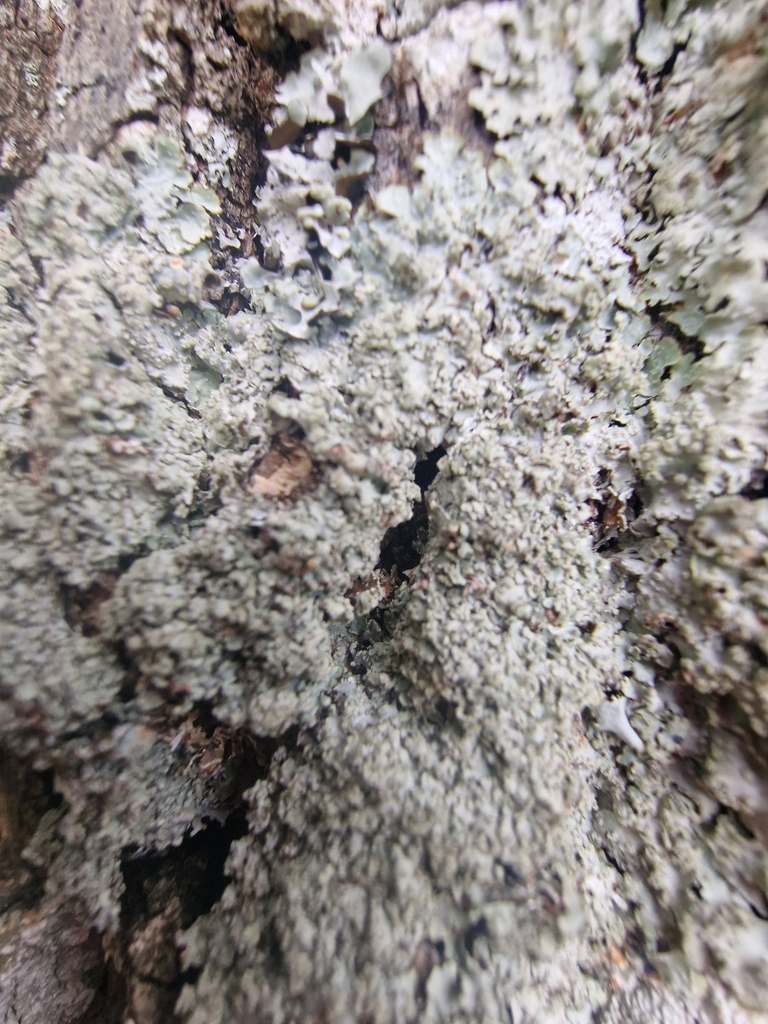
 

 Hypotrachyna afrorevoluta
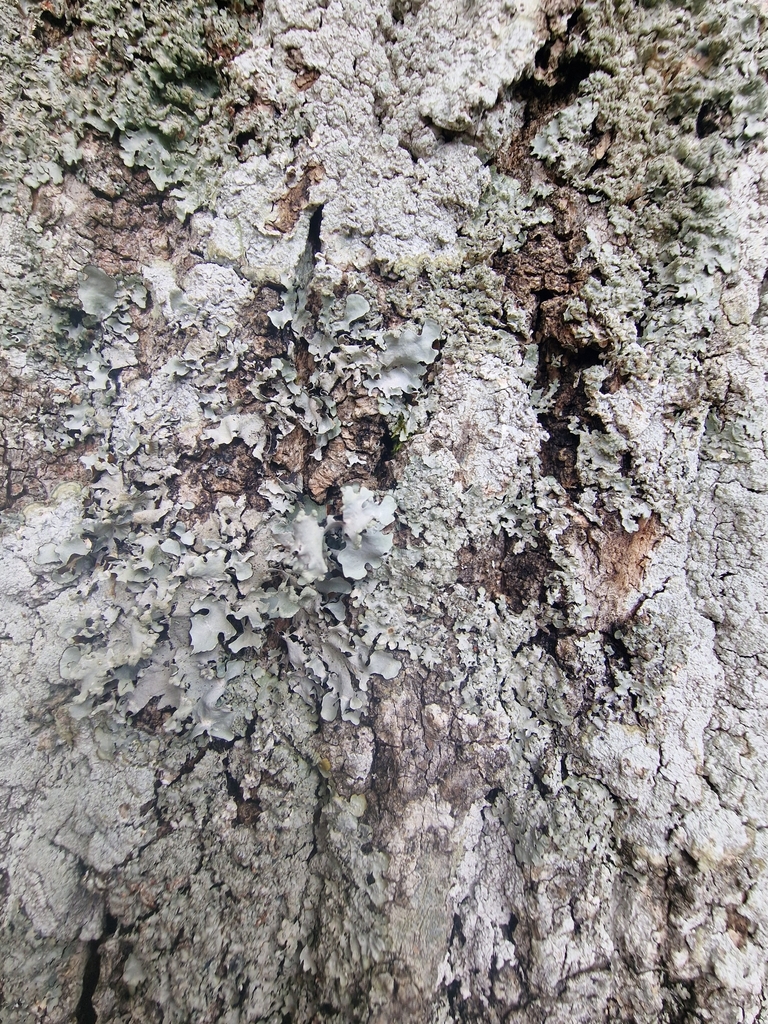
 

Mosses:

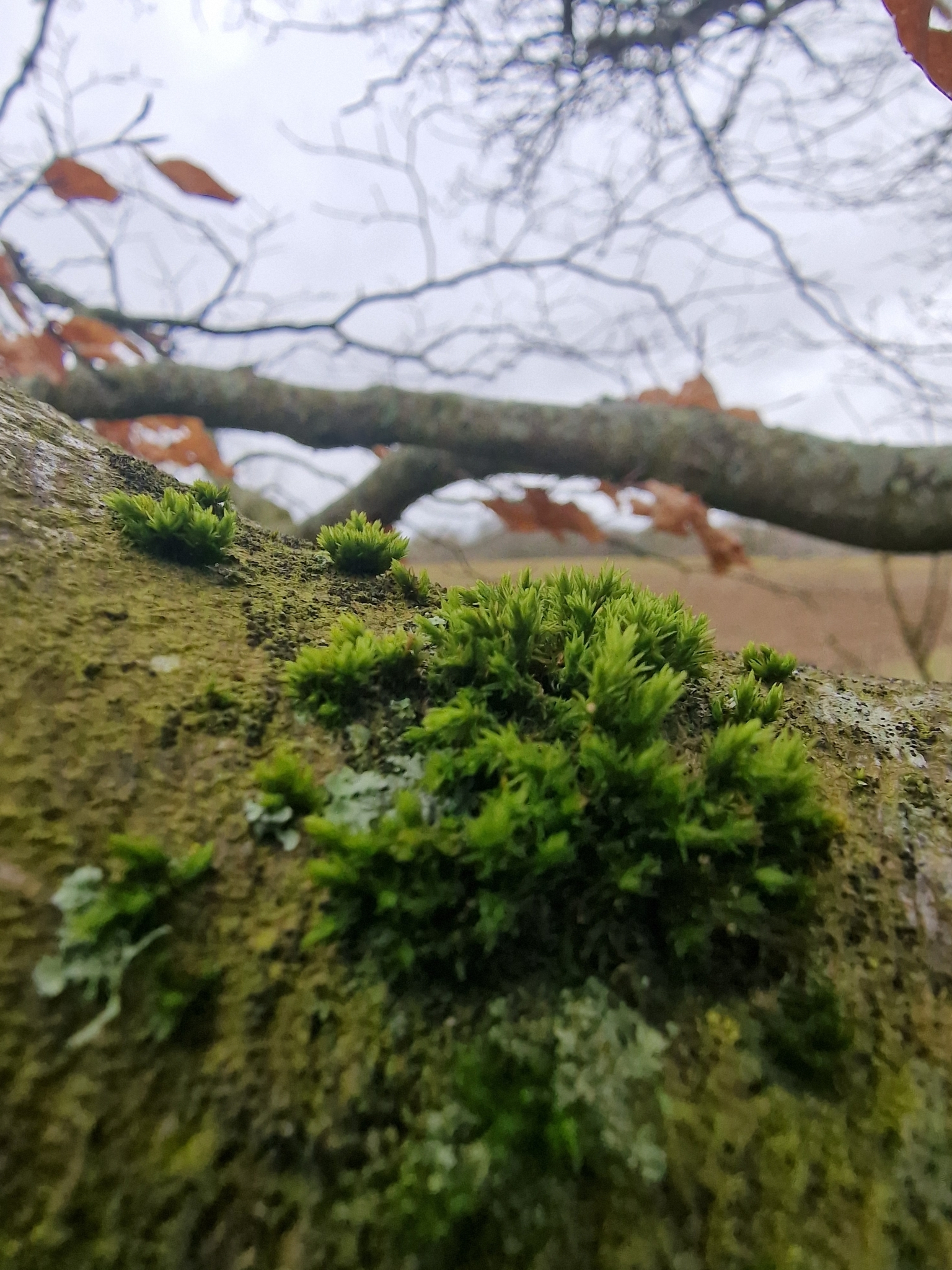
Hypnum cupressiforme Cypress-leaved Plait-Moss
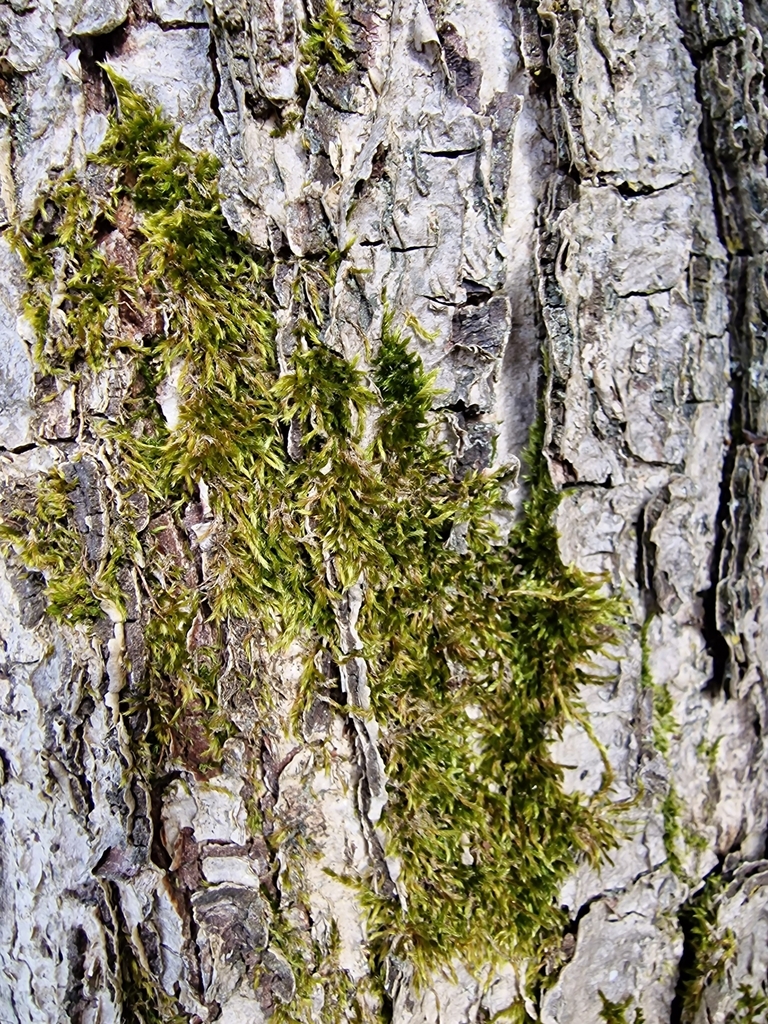
 

Liverworts:

Frullania dilatata Dilated Scalewort
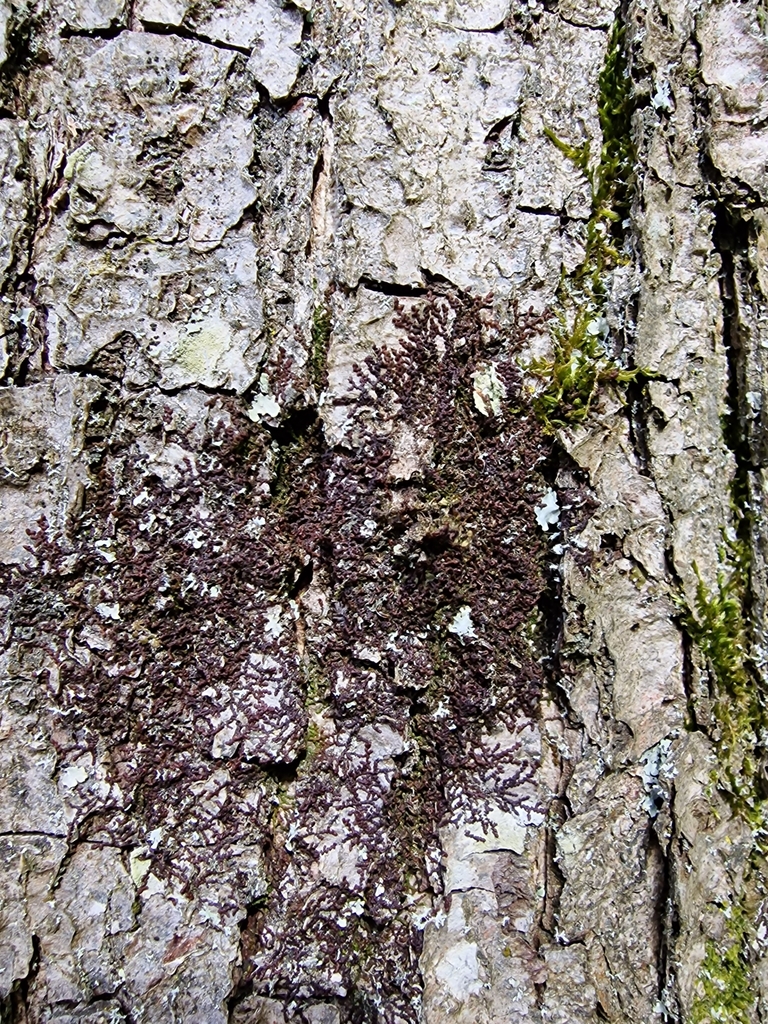
 

 Metzgeria furcata Forked Veilwort


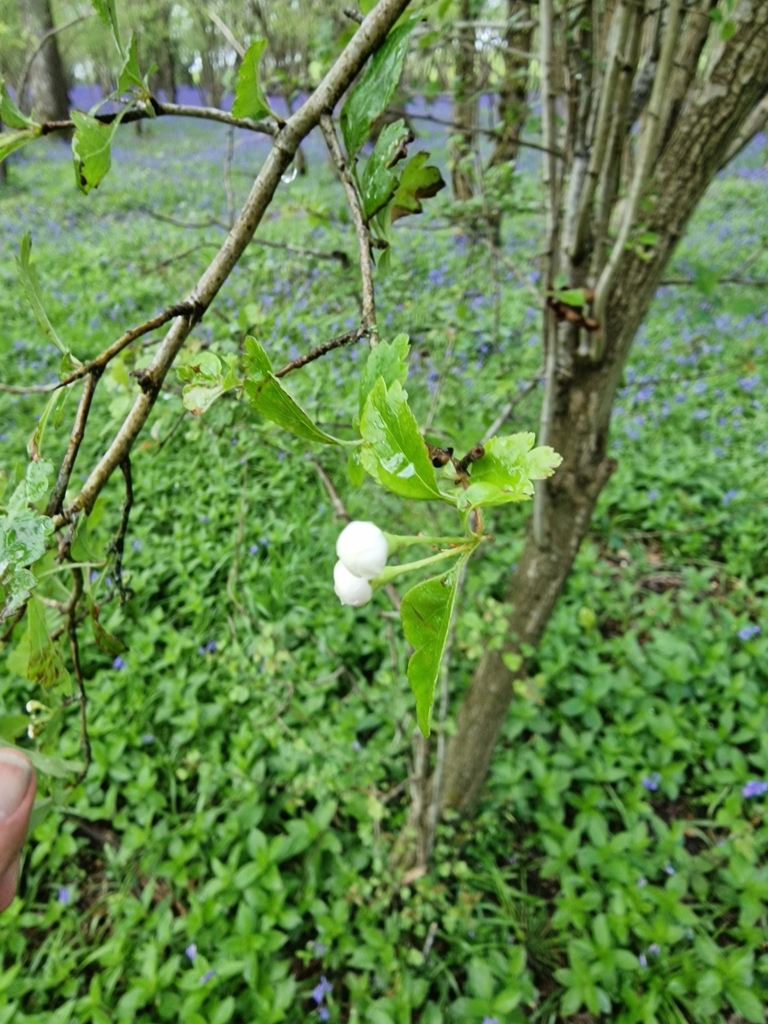
Significant organisms near the tree:

Crataegus laevigata Midland Hawthorn
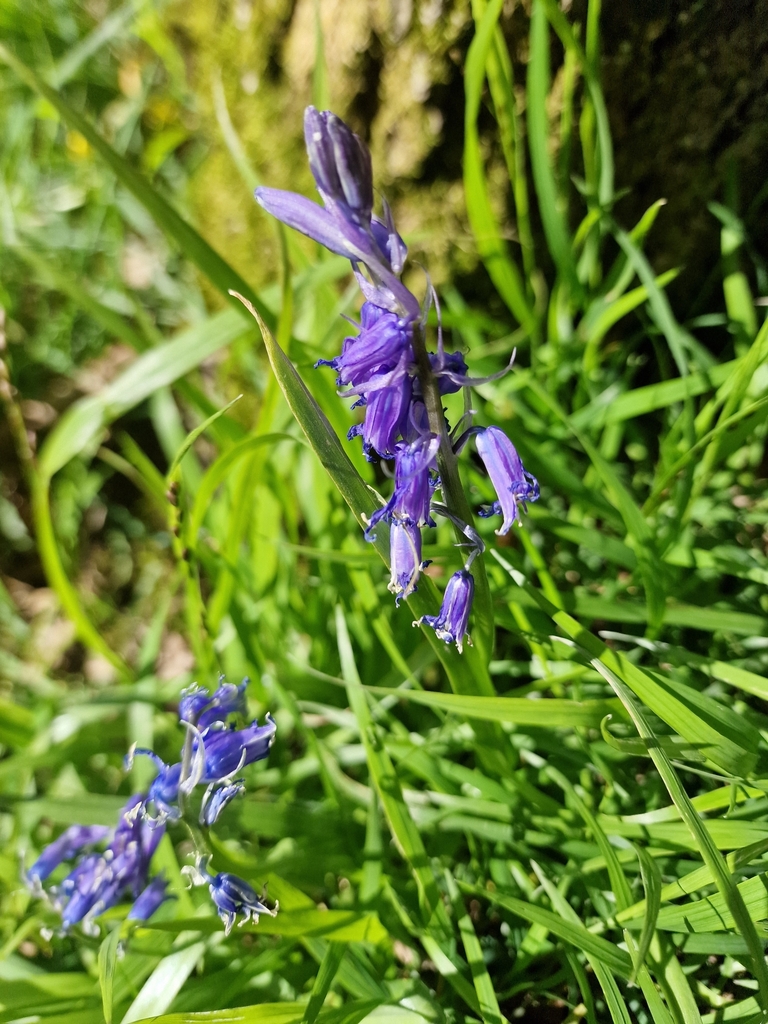
Hyacinthoides non-scripta Bluebell


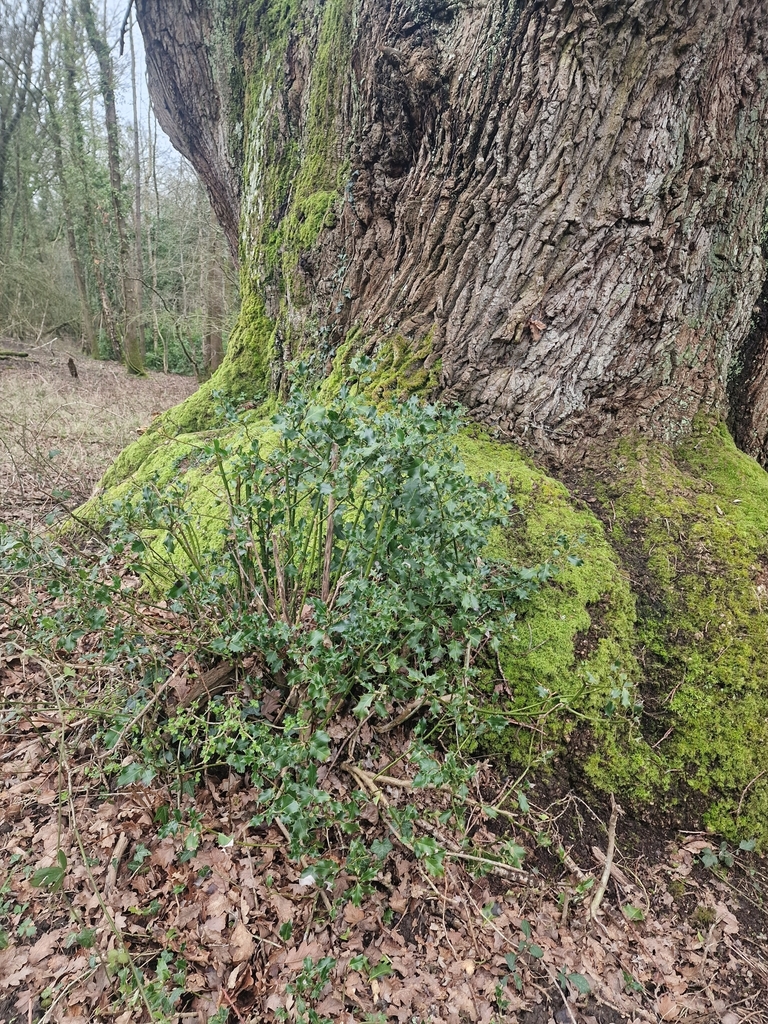
Lichens on a Penunculate Oak, Quercus Robur, "The Sun Oak", St Leonard's Forest, Horsham, 18.03.24


Habitat: beside a public footpath/bridleway (and farm acces road) in arable farmland

History: It is thought to be around 800 years old. Monumental Trees. This Oak was formerly in wooded land, part of St Leonard's Forest; western end of the Wealden Forest Ridge which runs from Horsham to Tonbridge. However, it now lies in the middle of arable land Much of  the former St Leonard's Forest has been cleared for urban development, arable farming, and coniferisation by Forestry England but some areas are still wooded, although much of this has no public accesses.  Forestry England has 289 ha. (714 acres) which is open to the public (often regarded as The St. Leonard's Forest, but just a small fragment of the former forest). Other fragments of the former forest with public access are Owlbeech (mainly heathland) and Leechpool Woods o the east of Horsham, and Buchan Country Park to the SW of Crawley and Leonardslee Gardens (enhance charge)

It is claimed by some local people that the Sun Oak tree is mentioned in the Domesday Book; but there is no evidence to support this.


Lichens:

Rinodina roboris

Lecidella elaeochroma Lecidella Lichen

 Pertusaria hymenea

Cresponea premnea (an ancient oak indicator lichen)

Flavoparmelia caperata Common Greenshield Lichen


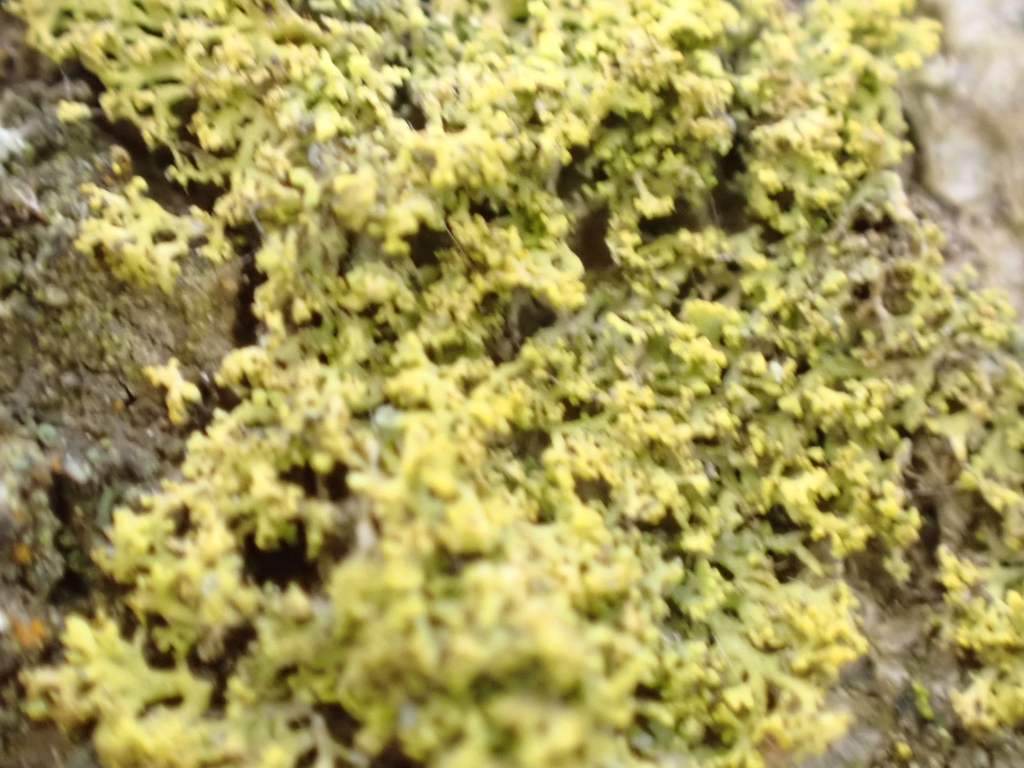
Candelaria concolor Candleflame Lichen


Mosses:

Lewinskya affinis Wood Bristle-Moss


Hypnum cupressiforme Cypress-leaved Plait-Moss


Other non-epiphytc organism on the tree:

Geranium robertianum Herb Robert (on bole)

Ilex aquifolium European Holly (on bole)


Sunday, April 7, 2024

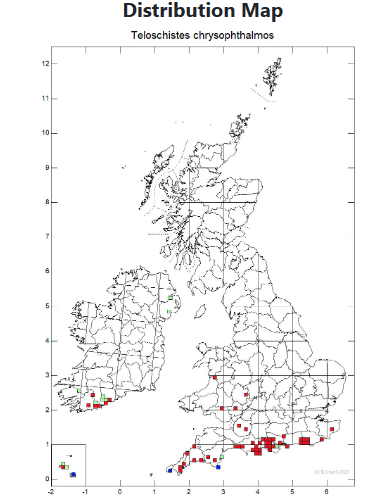
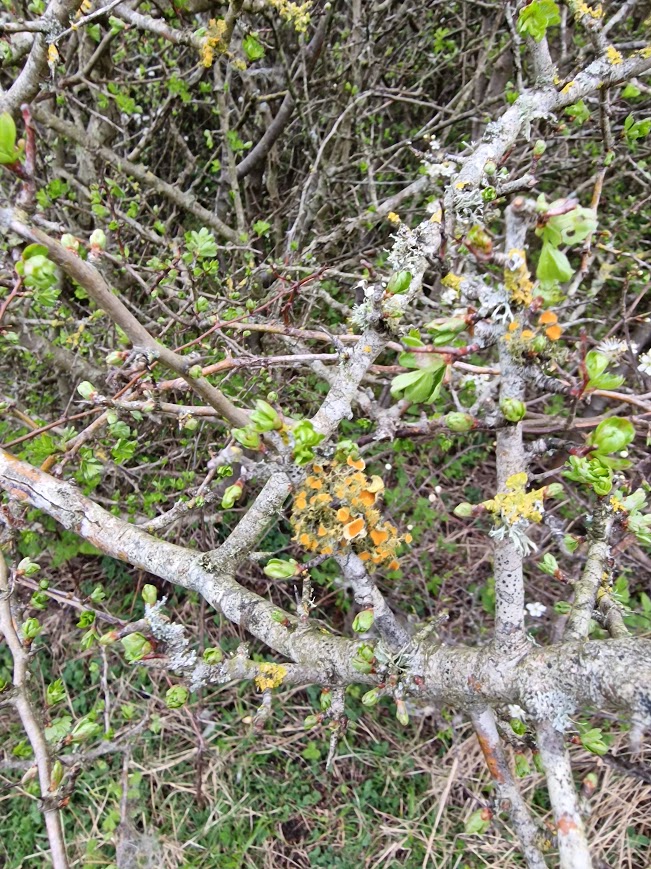
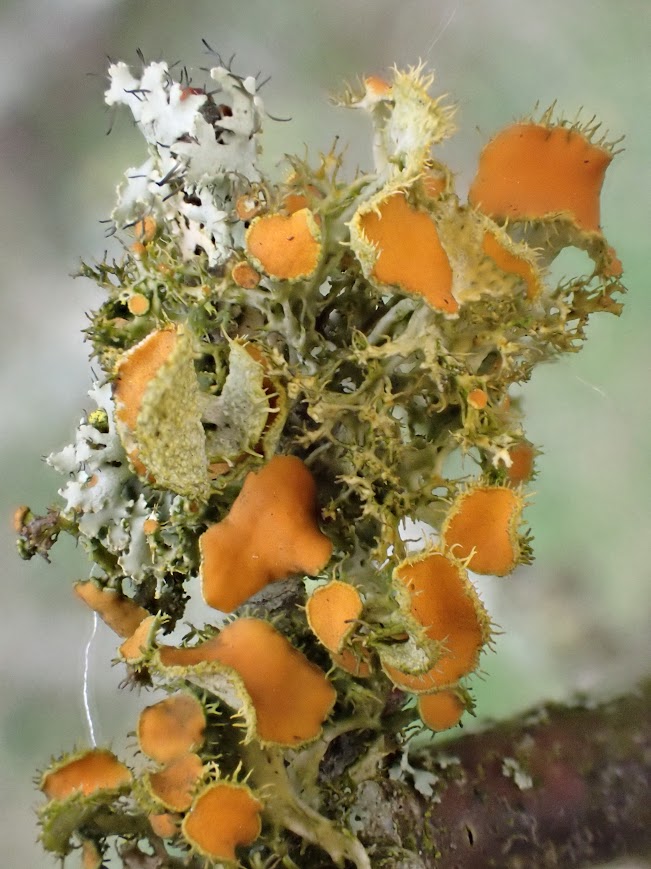
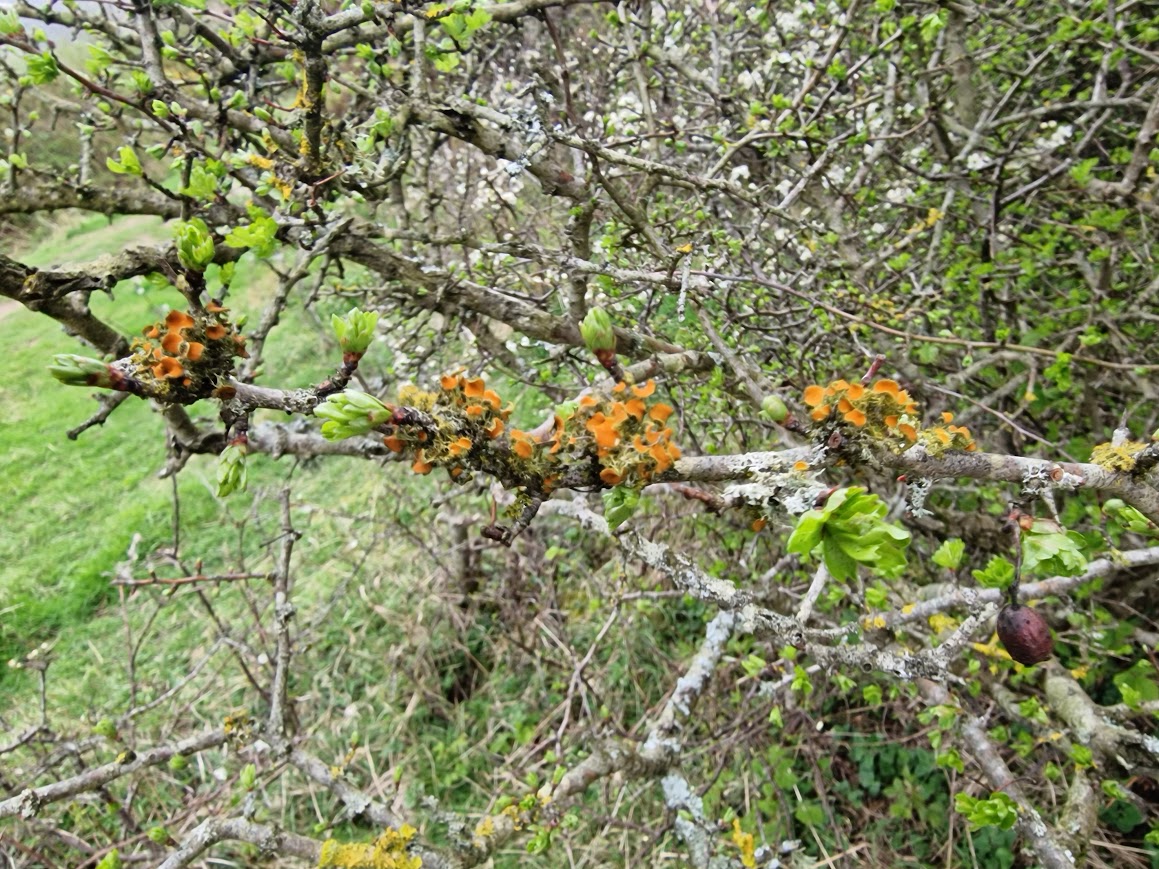
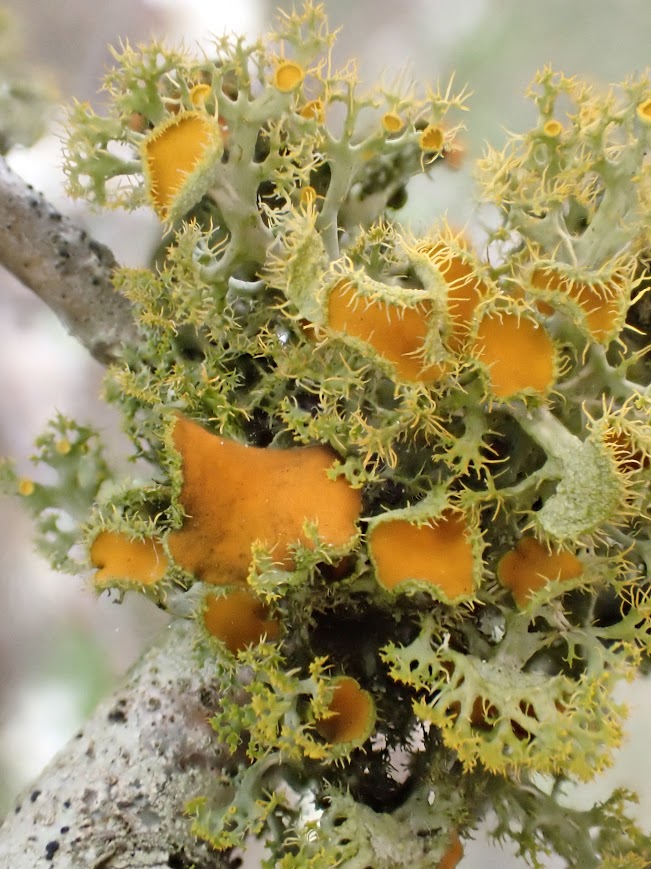
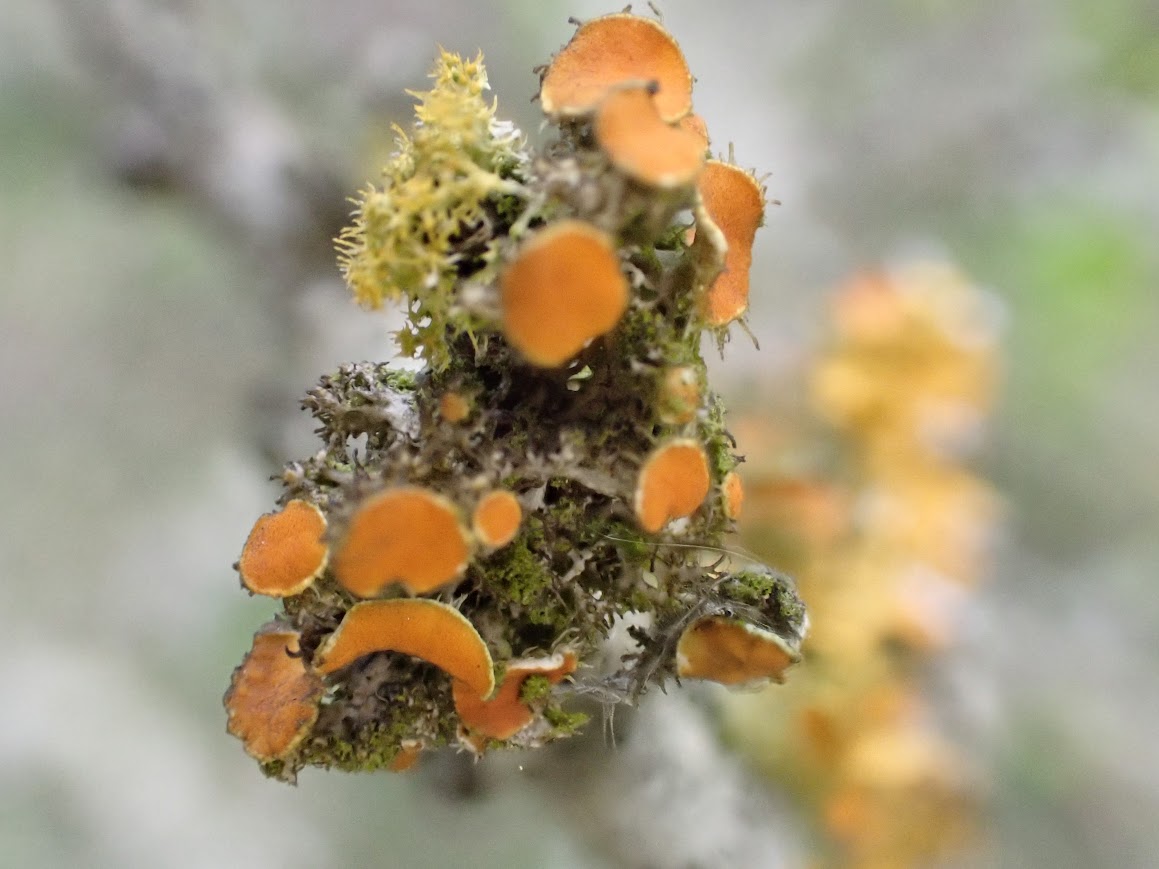
12 Golden-Eye Lichens on one Hawthorn. The resurgence of the once-thought-extinct Teloschistes chrysophthalmus on the South Downs. 06.04.24


I am not going to give the exact location of this sighting as the British Lichen Society society lists Teloschistes chrysophthalmus as Cr = Critically Endangered (IUCN Red List of Threatened Species); NR = Nationally Rare (i.e. Recorded in 15 or fewer 10 km squares in the United Kingdom) P = Priority Taxon in the UK BAP (Biodiversity Action Plan). However, if you want to find a Golden Eye Lichen if your search Hawthorn trees on the Brighton Downs and along the South Downs to Lewes, and you are likely to find one. If you find one please put it on iRecord Home | iRecord and send you record to the British Lichen Society recorder BLS Recording Scheme | The British Lichen Society Janet Simkin on records@britishlichensociety.org.uk.


All sections of text in italics are quotations, sources sited.


Thallus fruticose, forming tufts, more or less spherical, 1-5 cm diam., lobes flat to slightly convex, 1-2.5 mm wide, radiating from a central point, more or less branched, margin with irregular and abundant spinules. Upper surface yellow to golden orange, lower surface pale yellow tinged-greyish. Apothecia numerous, marginal or near apices, discs to 5 mm diam., with abundant marginal cilia (eye-like, explaining its name: golden eye), discs orange, cilia yellow-orange. Ascopsores ellipsoid, polarilocular, 10-15 x 5-8 µm according to literature; (10) 12-15 (17) x 5-8 (9) µm according to our measurements. Photobiont: Trebouxioid. K+ purple. Magnificent species easy to identify and impossible to mistake with another species. Lichens marins (lichensmaritimes.org)


Over the last two years I have seen four Teloschistes chrysophthalmus. Three on the same Down near Lewes, on Hawthorn, and one on a Hawthorne in a hedge in the Low Weald near Plumpton.


On 06.04.24 I saw twelve in one Hawthorn, on the same Down as the first thee sightings. They were in the third Hawthorn I looked at. I would suspect if you did a systematic survey of Hawthorns on the South Downs there would be 100s if not 1000s of them now. A few of the 12!